Yes, windshield scratches can often be repaired depending on their depth and severity. Minor surface-level scratches respond well to DIY repair methods using toothpaste, baking soda paste, or glass polishing compound, while deeper scratches may require professional repair services or complete replacement.
Understanding scratch depth through the fingernail test helps determine if DIY polishing techniques will restore visibility issues or if auto glass specialists should handle the damage to ensure driving safety. For residents seeking professional windshield repair in Toronto, certified technicians can provide expert assessment and solutions.
Can Windshield Scratches Be Repaired?
Not all windshield scratches are repairable. Success depends on scratch depth assessment and location.
Surface scratches and shallow scratches that don’t catch your fingernail during the fingernail test can typically be fixed using polishing compounds and buffing process techniques.
However, deep gouges that penetrate the outer glass layer of your laminated windshield often cause permanent damage, visual distortion, and compromise structural integrity.
When scratches create light refraction issues or fail safety standards, professional evaluation determines whether cost-effective solutions exist or if the repair vs replace decision favors complete windshield replacement In Toronto to maintain automotive glass safety.
Unsure about your scratch? Get a free inspection from Famous Auto Glass. Contact us today for expert assessment.
Types of Windshield Scratches
Windshield scratches fall into three main categories based on severity classification and glass layer penetration:
Surface-Level Scratches
Minor abrasions caused by wiper blade scratches, sand particles, or road grit that only affect the outermost glass surface. These represent cosmetic damage and are highly repairable scratches.
Medium-Depth Scratches
Scratches from debris damage or metal fragments go deeper but don’t fully compromise the glass, requiring more intensive polishing.
Deep Scratches
Severe gouges penetrate multiple layers, creating structural scratches that often constitute irreparable damage.
Use visual inspection and the fingernail catch test for accurate scratch identification and severity classification.
DIY Methods to Remove Minor Scratches
Several cost-effective methods can handle DIY scratch removal for surface-level damage:
Common DIY Solutions:
- Toothpaste technique
- Baking soda solution
- Glass polishing compound
- Cerium oxide
- Jeweler’s rouge
Home remedies using mild abrasives like toothpaste technique and baking soda solution work as polishing agents when applied with a microfiber cloth in circular motions.
For better results, commercial products including glass polishing compound, cerium oxide, and jeweler’s rouge offer professional-grade alternatives.
Proper surface preparation and cleaning preparation before scratch treatment ensure the restoration process works effectively. Apply gentle pressure during the buffing process, understanding these are best for temporary fixes on minor scratches rather than deep damage requiring professional intervention.
Toothpaste Method
The toothpaste method uses white toothpaste (non-gel toothpaste) as a mild polishing agent due to its abrasive properties. This cost-effective solution and household remedy works well for surface scratches only.
Application Steps:
- Apply a small amount on a clean cloth or soft cloth
- Use circular motion and gentle buffing for 30 seconds on the damaged area
- Rinse thoroughly with clean water for complete residue removal
While this beginner-friendly method offers temporary improvement through minimal abrasion and scratch filling, effectiveness assessment shows it’s best for very light marks rather than deeper damage.
Baking Soda Method
Create a baking soda paste by mixing this kitchen ingredient with water to achieve thick consistency. This homemade solution serves as a natural abrasive and cost-effective alternative.
How to Apply:
- Mix baking soda with water to create a spreadable paste
- Spread evenly using a soft microfiber cloth
- Use gentle scrubbing in a circular pattern for 30-second intervals
- Rinse clean and inspect results
- Repeat application if needed for gradual improvement
This chemical-free option provides mild buffing power and polish action for surface polishing. This accessible materials method works particularly well for light surface marks.
Glass Polishing Compound
Commercial glass polish and specialized compound products offer superior results compared to household methods. These professional-grade formula options include cerium oxide-based products and metal polish with fine abrasives designed for deeper scratch treatment.
Available at auto parts stores, glass repair kits contain recommended products with specific application instructions following manufacturer guidelines.
Application Options:
- Hand application with consistent pressure
- Rotary buffer for extended polishing time
- Power drill attachment for better results
The chemical composition provides greater polishing power and scratch removal effectiveness through overlapping passes, making this an investment option for lasting solutions on moderate scratches.
Step-by-Step Guide to Repair Windshield Scratches
Follow this complete procedure for effective scratch repair:
Step 1: Assess the Damage
Perform the fingernail test procedure for scratch assessment using your nail as a depth gauge.
Step 2: Clean the Area
Complete the cleaning process with glass cleaner application ensuring debris removal and dirt elimination from the area.
Step 3: Protect Surrounding Area
Use masking tape to tape surrounding area, creating a protective barrier.
Step 4: Apply Polish
Apply polish using your chosen compound on a buffing pad, then work the area with an electric buffer or hand buffing for 2-3 minutes duration using consistent motion and adequate pressure.
Step 5: Final Inspection
Conduct final inspection after you wipe clean, evaluate effectiveness, and repeat if necessary using proper technique until satisfactory results appear.
When to Replace vs Repair Your Windshield
Understanding replacement criteria versus repair limitations prevents safety compromise and ensures proper decision factors.
Replace Your Windshield When:
- Scratches show deep penetration with multiple layers affected
- Damage is in the driver’s line of sight causing vision obstruction or distortion issues
- Crack formation appears around scratches
- Extensive scratch location and size factors are present
Consider repair cost analysis versus replacement cost, factoring insurance coverage availability.
While repairs offer temporary fix comparison benefits, replacement provides long-term solution when structural damage threatens safety regulations, visual clarity, or resale value impact.
Trust expert recommendation for final decisions.
Need professional advice? Our experts will assess your damage and recommend the best solution. Get a free quote today.
Professional Windshield Scratch Repair
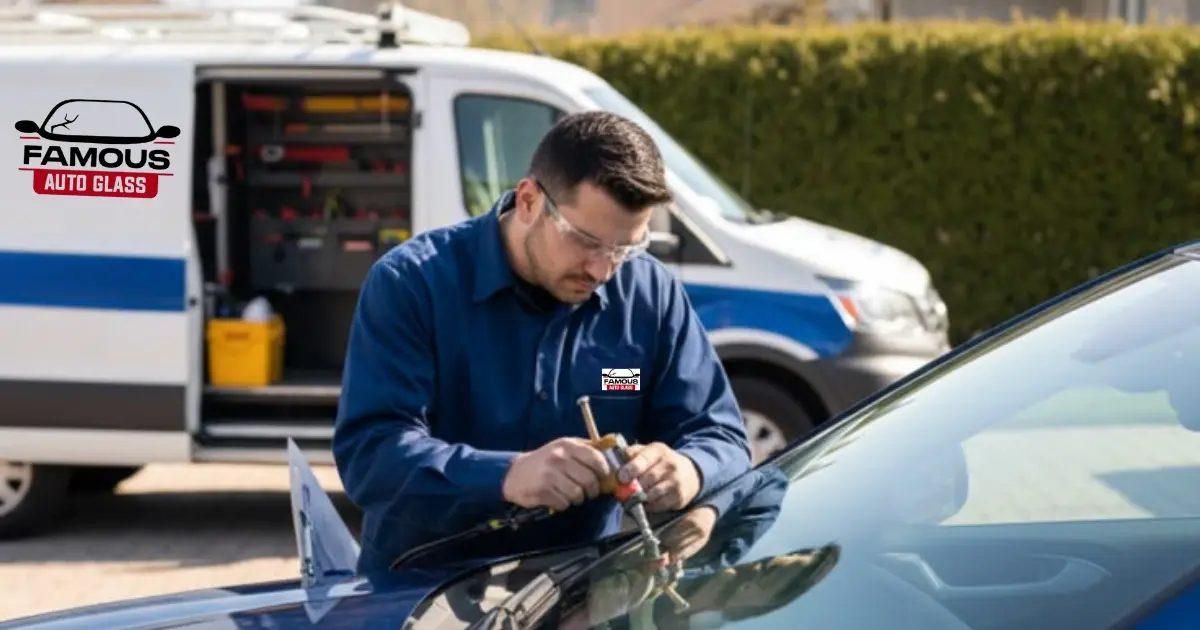
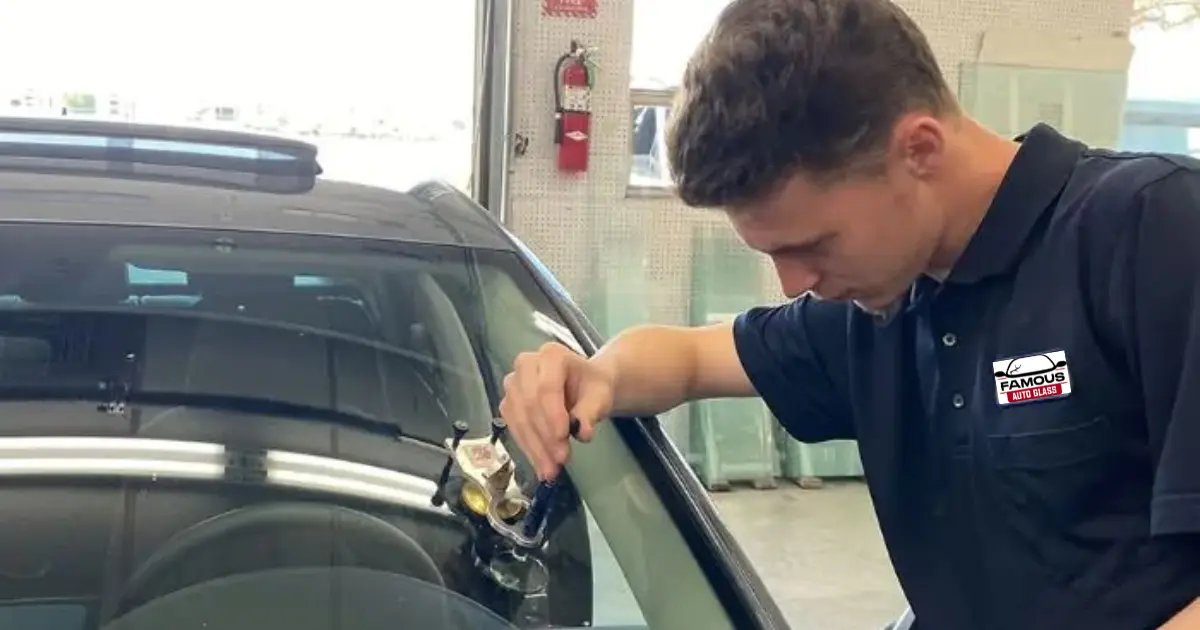
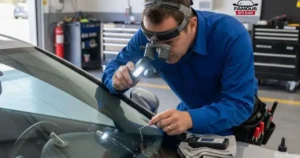
Auto glass technicians and certified professionals use specialized equipment and advanced polishing systems unavailable to consumers for precision repair.
Professional service from repair shops or mobile services offering on-site repair includes expert assessment, glass grinding techniques, and professional compounds following industry standards.
Benefits of Professional Repair:
- Warranty coverage and quality guarantee
- Insurance claims assistance
- Technical expertise ensuring optimal results
- Time efficiency and safety compliance
- Advanced methodology and specialized equipment
When DIY methods fail or scratches exceed surface damage, professional tools and advanced methodology from comprehensive service providers deliver superior outcomes that maintain your windshield’s structural integrity.
Famous Auto Glass offers professional scratch repair and replacement services across the GTA. Our mobile team brings expert solutions to your location. Get your free quote and inspection today.
How to Prevent Windshield Scratches
Implement these preventive measures for effective scratch prevention through regular maintenance:
Wiper Blade Maintenance
- Replace worn wipers during regular blade inspection
- Invest in quality wiper blades to prevent most scratches
Proper Cleaning Techniques
- Use soft-cloth cleaning with microfiber towels
- Apply ammonia-free cleaners only
- Avoid abrasive materials and harsh chemicals
Smart Parking Habits
- Choose covered parking or garage storage for UV protection
- Select strategic parking position away from debris
- Maintain safe distance from vehicles carrying road debris
Additional Protection
- Apply protective films or windshield treatment products
- Follow a maintenance schedule with regular inspections
- Practice early detection for damage prevention
These proactive measures enable you to catch minor issues before they become major problems.
Conclusion
Windshield scratch repair success depends on proper evaluation and understanding severity levels.
Minor scratches respond well to DIY capability using household or commercial solutions, while deeper damage requires professional help for safety first outcomes. Prioritize assessment importance before selecting solution selection methods.
Implement preventive approach strategies through maintenance priority and proactive care for cost savings and windshield longevity.
Remember that visual clarity maintenance and vehicle safety outweigh repair expenses. Take action steps through timely intervention, whether applying protective measures, utilizing repair resources, or seeking expert glass care.
Make informed choices based on damage assessment to ensure your windshield remains safe and clear.