Toronto’s climate is tough on auto glass. Freezing winters, humid summers, and constant temperature swings cause chips to spread, glass to crack, and seals to weaken throughout the year. Each season brings a different threat – from thermal stress in winter to UV-driven expansion in summer. Understanding how Toronto’s weather affects your windshield helps you catch damage early and avoid costly windshield replacement in Toronto.
Cold Weather and Auto Glass Cracks
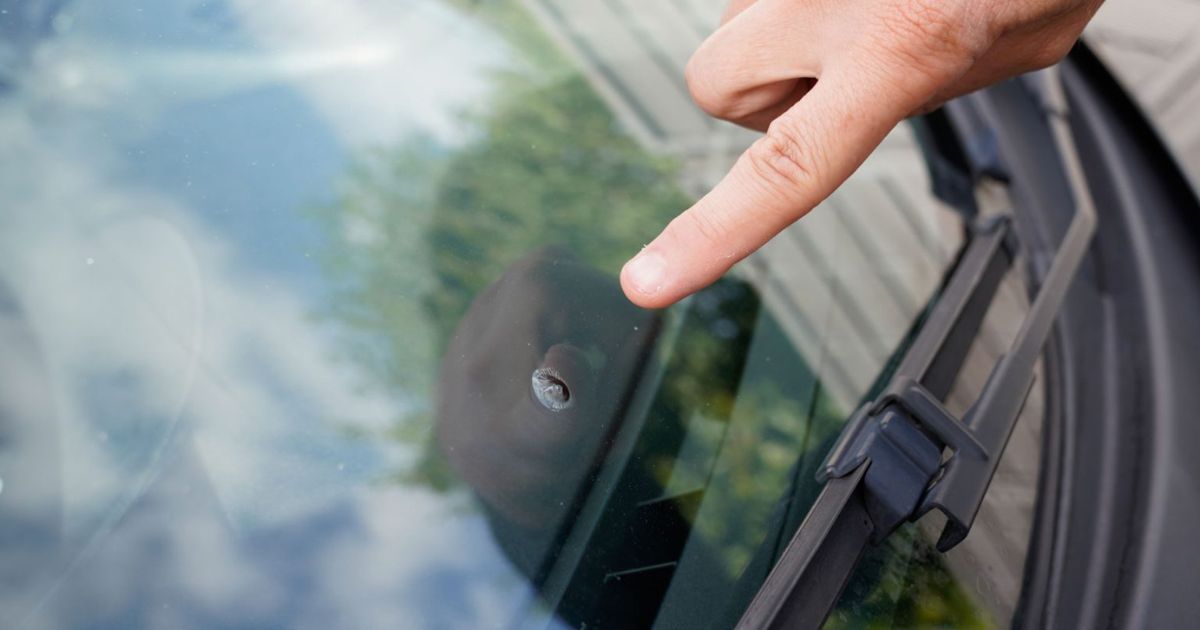
When Toronto temperatures drop, glass contracts. Any existing chip – no matter how small – becomes a crack waiting to spread.
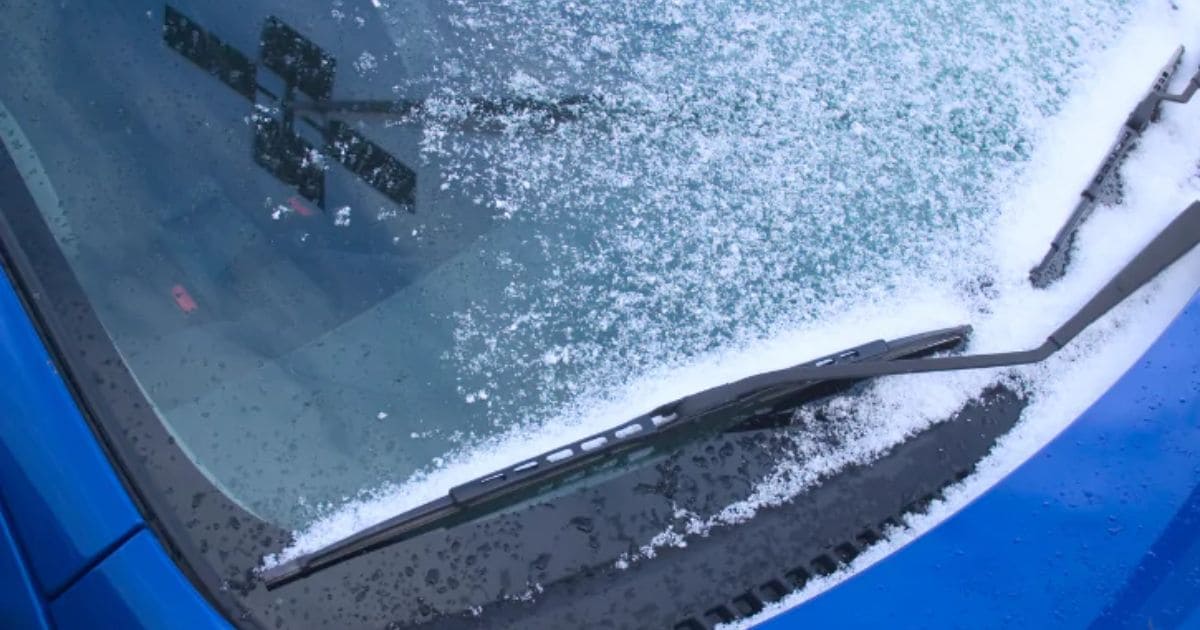
Blasting the defroster on a frozen windshield creates rapid thermal stress that can turn a minor chip into a long fracture within minutes. Ice scrapers scratch the surface and weaken the glass over time.
Road salt corrodes seals along the edges, making the windshield less structurally secure by the end of winter.
If you already have a chip heading into winter, get it looked at before the cold sets in. Book a quick inspection with Famous Auto Glass before the season turns.
Hot Weather and Auto Glass Cracks
Heat causes glass to expand, and that expansion puts direct pressure on any chip or crack already present.
Toronto summers – with prolonged direct sunlight and high UV exposure – can weaken the windshield’s structural integrity and degrade the adhesive holding it in place.
Blasting cold AC onto a hot windshield creates a sudden temperature shift that can fracture the glass. Even a minor chip left untreated through summer is likely to spread fast.
Don’t wait until a chip becomes a full crack. Contact Famous Auto Glass for a same-day repair before the summer heat does the rest.
Temperature Fluctuations and Thermal Stress
Toronto regularly swings between extremes – a frozen morning followed by a warm afternoon is a common occurrence.
Each cycle of expansion and contraction creates cumulative stress on the glass. Over time, this repeated thermal fatigue weakens the windshield even without a single impact event.
Common triggers include:
- Running a cold car wash on a sun-heated windshield
- Stepping into a heated vehicle after sub-zero temperatures
- Rapid defroster use on a frozen windshield
These shifts can trigger stress cracks that appear with no obvious cause.
Hail and Storm Damage to Auto Glass
Hailstorms are among the most immediate threats to auto glass in Toronto.
Even small hailstones strike with enough force to chip or crack a windshield on contact. Larger hail can shatter the glass entirely.
Strong storm winds carry debris – gravel, branches, loose material – that hits at speed with similar results.
Damage from hail tends to be sudden and severe, with little warning. Covered parking is the most practical line of defence during storm season.
If you’ve come out of a storm with new chips or cracks, get them assessed right away before the next weather swing makes them worse.
Rain and Moisture: How Water Damages Auto Glass
Rain causes gradual damage that’s easy to miss until it becomes a serious problem.
Water consistently hitting unsealed edges erodes the rubber seal and adhesive over time, allowing moisture to seep into the cabin. Interior fogging and condensation near the windshield perimeter are early signs of water intrusion.
Worn wiper blades compound the problem – dragging debris across the glass creates micro-scratches that trap moisture.
To stay ahead of water damage:
- Check seals around the windshield perimeter regularly
- Replace wiper blades before they start streaking
- Look for interior fogging near the lower windshield edge as an early warning sign
How Humidity and Condensation Damage Your Windshield in Toronto
Toronto’s humid summers create a persistent moisture problem for auto glass.
High ambient humidity puts constant pressure on windshield seals and rubber gaskets. When seals degrade, water vapor enters the space around the glass and can work its way between the laminated layers.
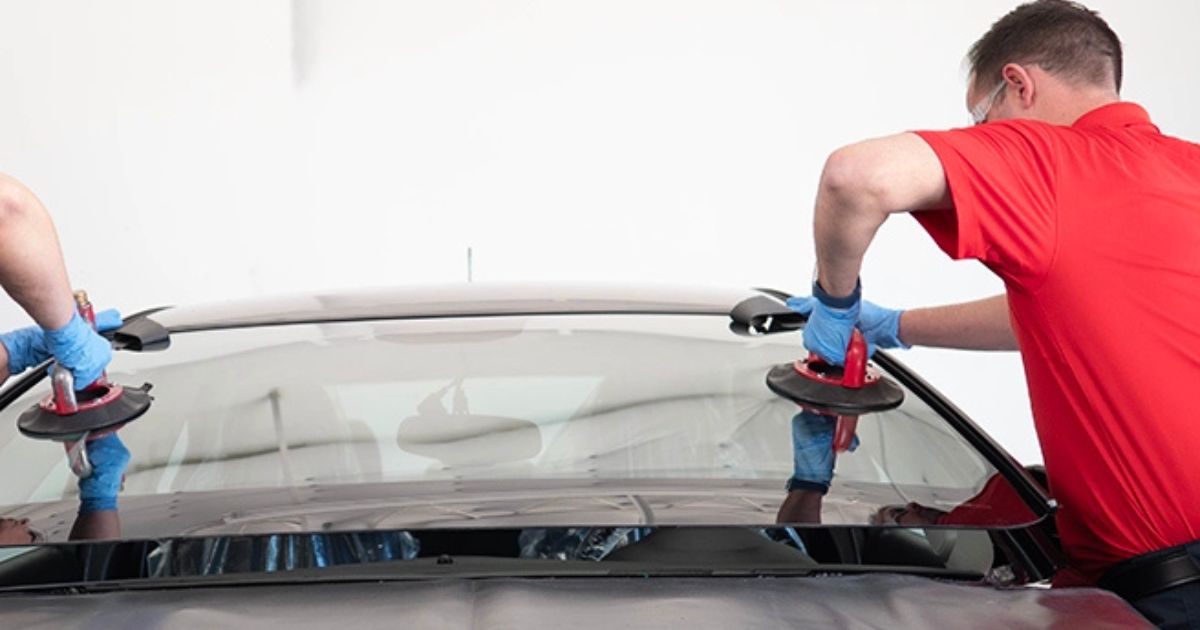
Persistent interior fogging – especially along the lower windshield edge – signals seal failure. Left unaddressed, humidity damage leads to mold buildup near the glass perimeter and eventual delamination requiring full replacement.
How Windshield Condensation Forms in Toronto’s Climate
Condensation forms when warm, humid interior air meets a cold glass surface – the temperature differential causes moisture to settle on the windshield.
In Toronto winters, this happens constantly as cabin heat hits a cold windshield. In summer, the reverse occurs when cool AC air meets a glass surface warmed by outside humidity.
Repeated condensation cycles over time accelerate seal wear. Switching from recirculated air to fresh air mode reduces interior humidity and slows this process.
How to Protect Your Auto Glass from Weather Damage in Toronto
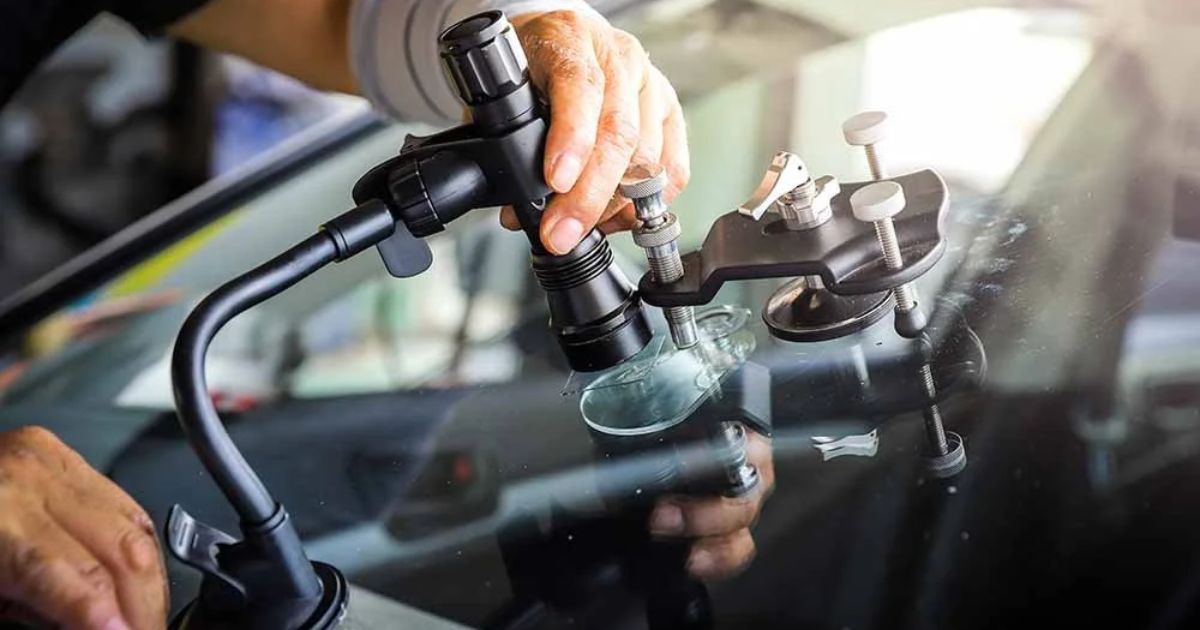
The most effective protection is early repair – a small chip addressed before winter or a heat wave rarely becomes a full crack.
Practical steps to protect your auto glass year-round:
- Park in covered or shaded areas to reduce UV exposure and hail risk
- Use a windshield cover in winter to limit ice buildup and thermal shock from defrosters
- Replace wiper blades seasonally and clean off salt residue to protect seals
- Avoid pouring hot water on frozen glass or cold water on sun-heated glass
- Get chips repaired before seasonal temperature swings hit
If you’ve noticed a chip, crack, or fogging around the edges, don’t leave it to the next season. Reach out to Famous Auto Glass and get it sorted before Toronto’s weather does it for you.