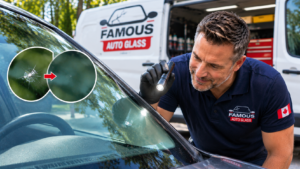
A pickup truck windshield looks similar to a sedan’s from across a parking lot, but the two jobs aren’t quite the same undertaking. The glass is bigger, the cab height changes how a technician accesses it, and — for anyone using the truck for work — a day without the vehicle is a different kind of problem than it is for someone with a second car in the driveway.
This is a look at what’s actually different about truck windshield replacement, why the answer varies a lot between a personal pickup and a fleet work truck, and what determines cost and process for the vehicles that make up a big share of Toronto and GTA traffic.
Key Takeaways
- Truck windshields are physically larger than sedan windshields, which affects glass sourcing, handling, and sometimes availability for less common models.
- Whether ADAS calibration is needed after replacement depends on the specific truck’s trim and year, not on the fact that it’s a truck — plenty of work trucks have no camera systems at all.
- Downtime matters more for commercial and fleet vehicles, which is where mobile service tends to make the biggest practical difference.
- Truck windshield replacement cost varies by make, model, glass type, and technology — there’s no single number that applies across the segment.
- Chip and short-crack repair is still possible on trucks, following the same size and location rules that apply to any windshield.
Why Trucks Get Treated as Their Own Category
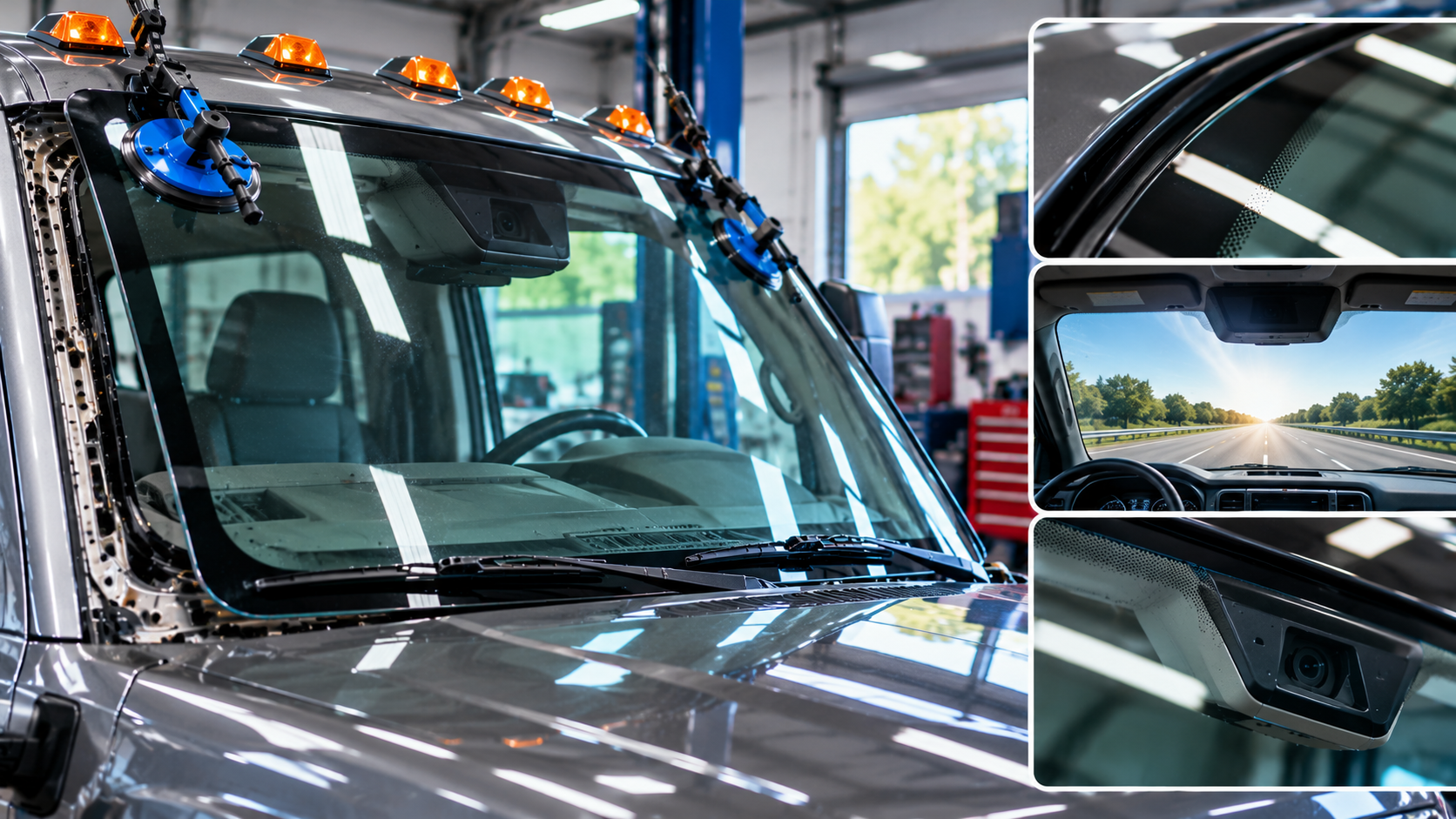
It’s not that a truck windshield is fundamentally more complicated to install than a sedan’s — the core process of removing the old glass, prepping the frame, and bonding in the new pane with urethane adhesive is the same regardless of vehicle type. What changes is the practical context around the job.
Truck windshields are simply bigger. A full-size pickup like an F-150, Ram 1500, Silverado, or Sierra has significantly more glass surface area than a compact sedan, and that size affects handling during installation, adhesive coverage, and in some cases glass availability — less common trim levels or older model years can take longer to source than a windshield for a high-volume vehicle. None of this makes truck glass more expensive by default; it just means the sourcing and handling side of the job looks a bit different.
Work Trucks vs. Personal Pickups: A Real Distinction
Not every pickup truck is used the same way, and that changes what matters most to the owner.
A personal pickup — say, a daily-driven F-150 or Silverado used for commuting and the occasional trip to the hardware store — is generally comparable to any other personal vehicle when it comes to windshield replacement. Timing matters, cost matters, but there isn’t usually an urgent operational reason the vehicle needs to be back on the road within hours.
A work truck or fleet vehicle, on the other hand, often represents income. A contractor who can’t get to job sites, a delivery vehicle sitting idle, or a fleet truck out of rotation all translate into a cost beyond the glass itself. For these owners, the practical questions shift toward how quickly the vehicle can be back in service and whether the shop can work around a schedule rather than the other way around.
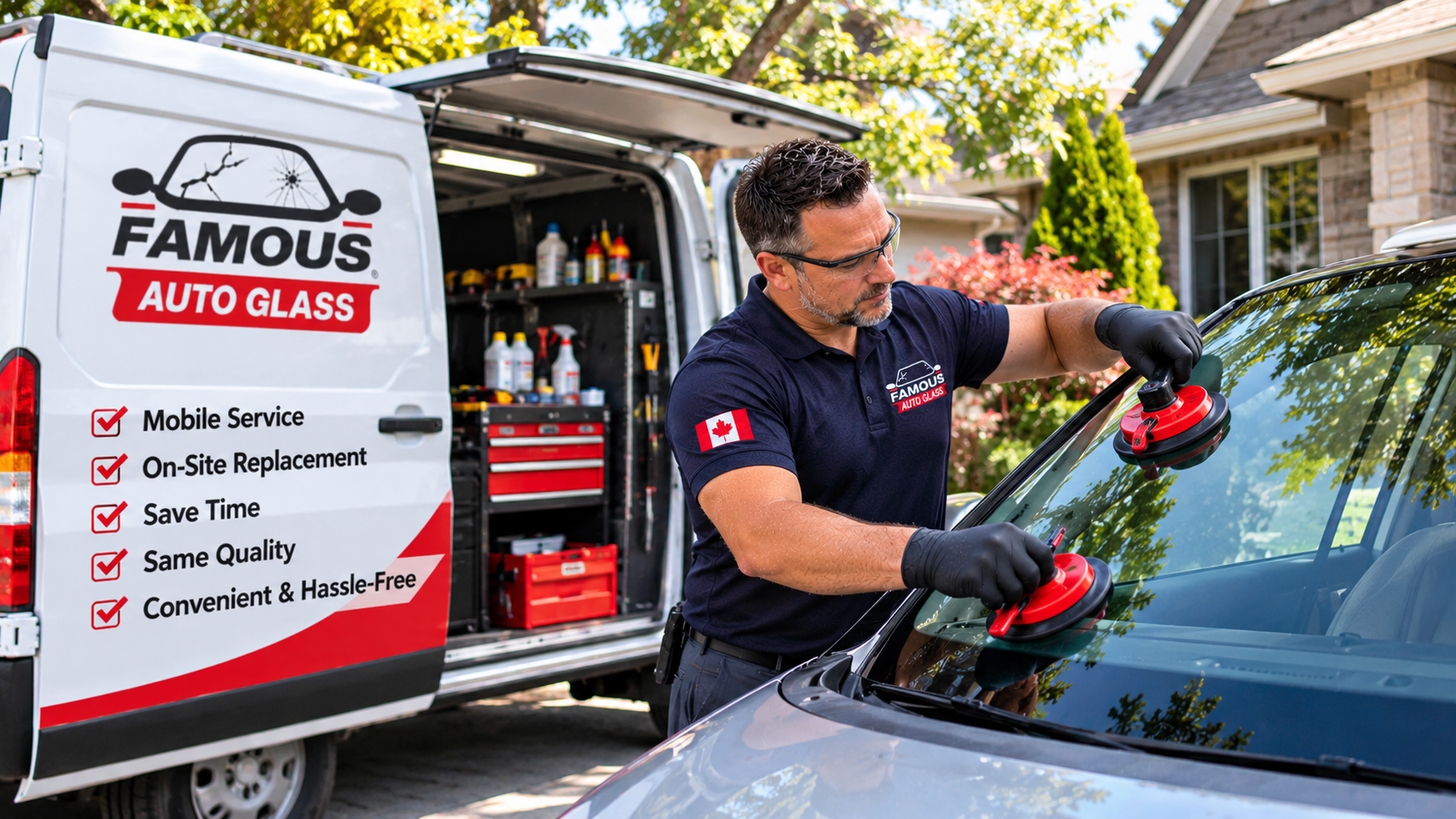
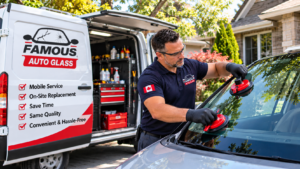
This is one of the clearest places where mobile auto glass service earns its keep — a technician coming to a job site, a depot, or a driveway before or after a shift avoids pulling a working vehicle out of rotation for a shop visit it doesn’t need.
Does My Truck Need ADAS Calibration After Windshield Replacement?
This is genuinely one of those “it depends” answers, and any shop telling you otherwise before looking at your specific vehicle isn’t being fully straight with you.
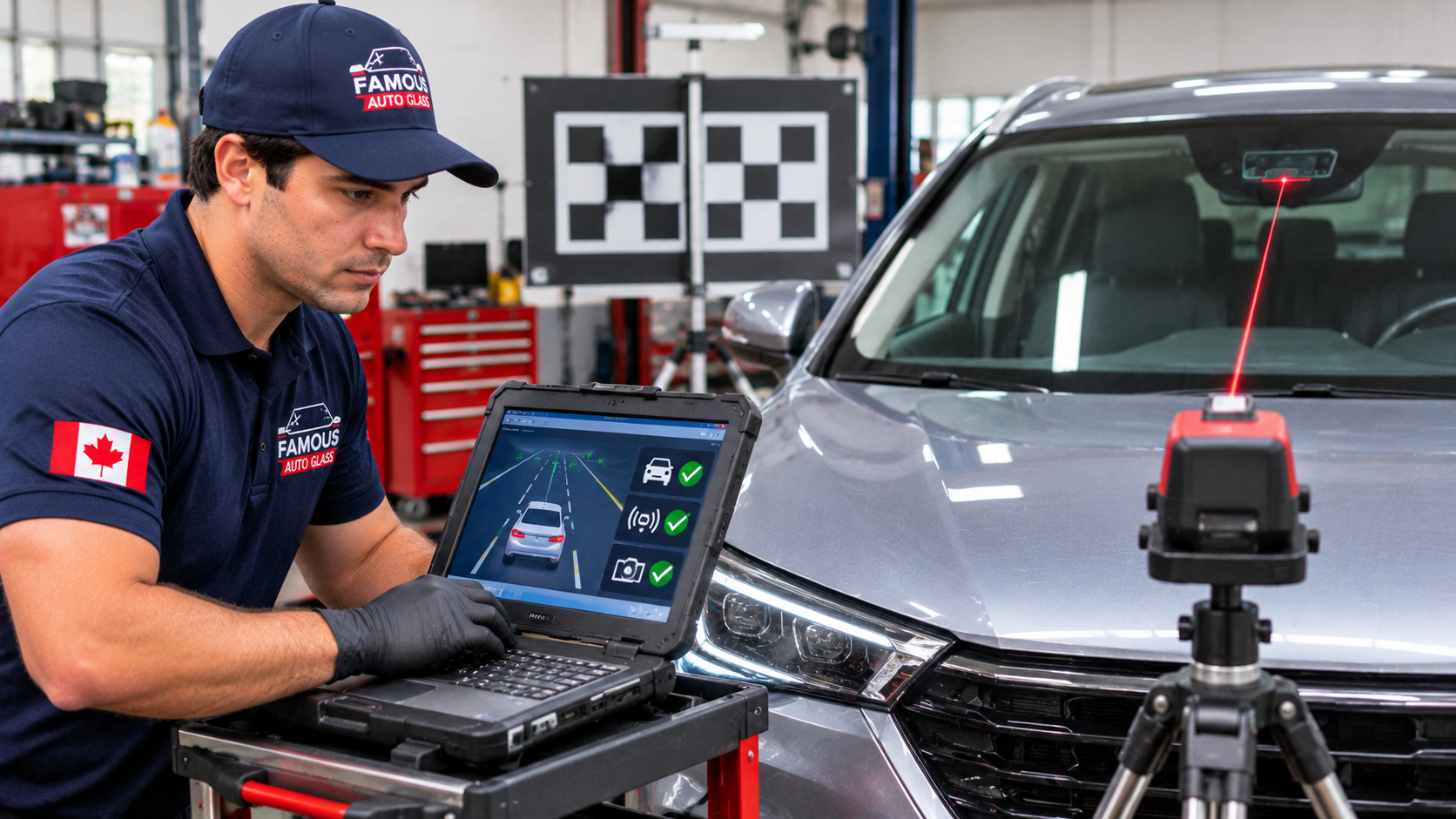
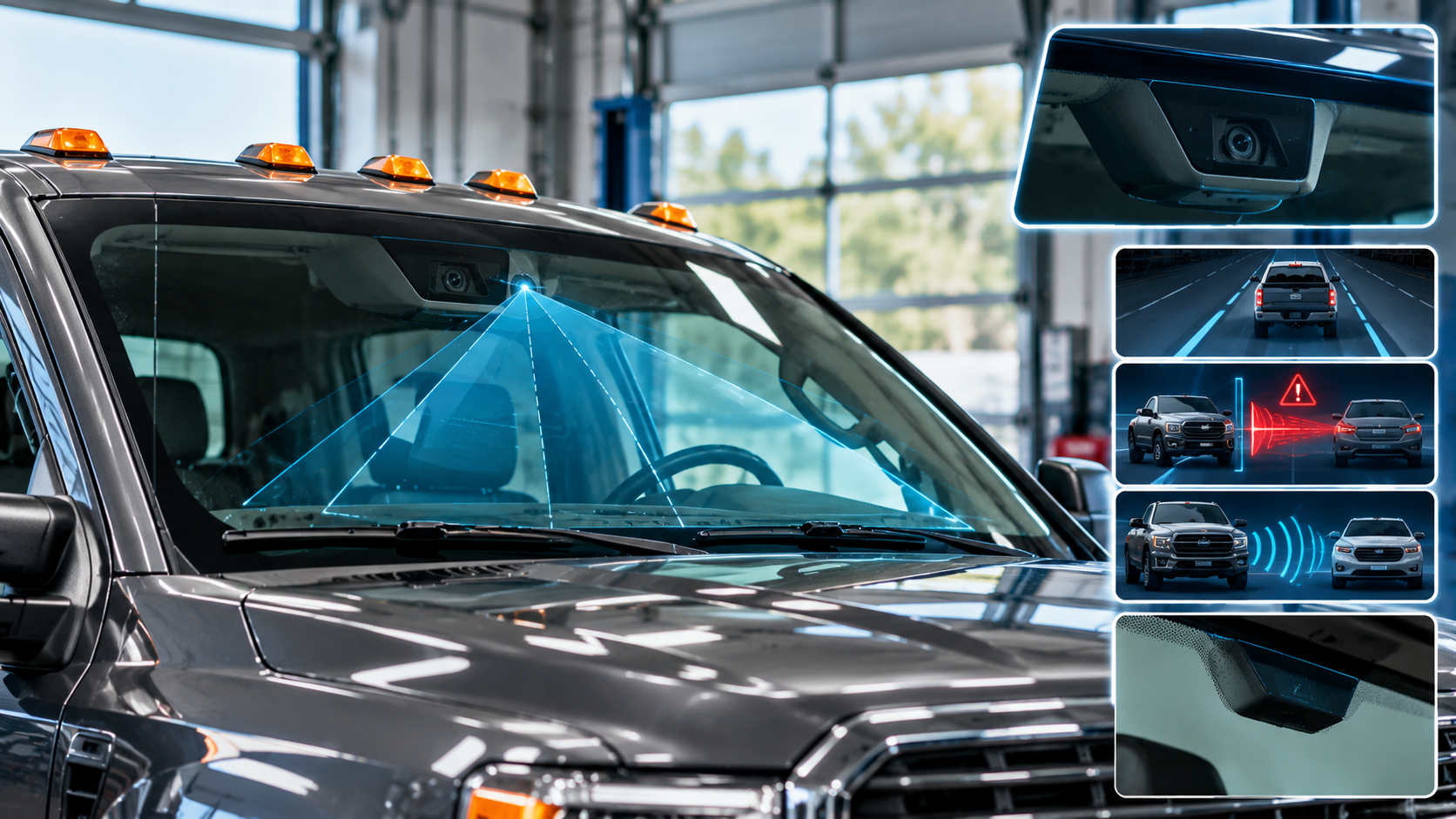
Advanced Driver Assistance Systems — features like lane departure warning, forward collision alerts, and adaptive cruise control — rely on cameras or sensors that are often, but not always, mounted near the windshield. Whether a given truck has these systems depends entirely on its specific trim level and model year, not on the fact that it’s a truck. A base-trim work truck from a few years ago may have none of this equipment at all, while a higher trim package on a newer model year of the same truck might have a full suite of camera-based safety features.
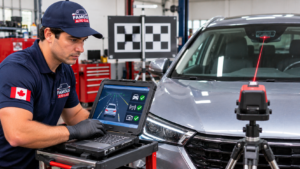
When these systems are present and the windshield is replaced, the camera generally needs to be recalibrated afterward so it continues reading the road accurately — this is a standard part of a proper replacement on an equipped vehicle, not an optional upsell. But it’s not accurate to say all truck windshields require this, and a technician should be able to tell you, based on your specific VIN or trim, whether it applies to your vehicle. Our precision windshield replacement page goes into more detail on how this calibration process fits into a proper installation.
Glass Fit and Optical Clarity Matter More Than People Expect
A windshield that’s slightly off — even in ways that aren’t obvious at a glance — can create wind noise, minor leaks, or subtle optical distortion that’s more noticeable on a truck’s taller, more upright windshield angle than on a sharply raked sedan windscreen. Getting the correct part number for your specific make, model, year, and trim (not just “F-150 windshield,” but the right one for that specific configuration) matters for a clean fit, proper seal, and glass that doesn’t distort your view of the road.
When Repair Is Still Possible on a Truck Windshield
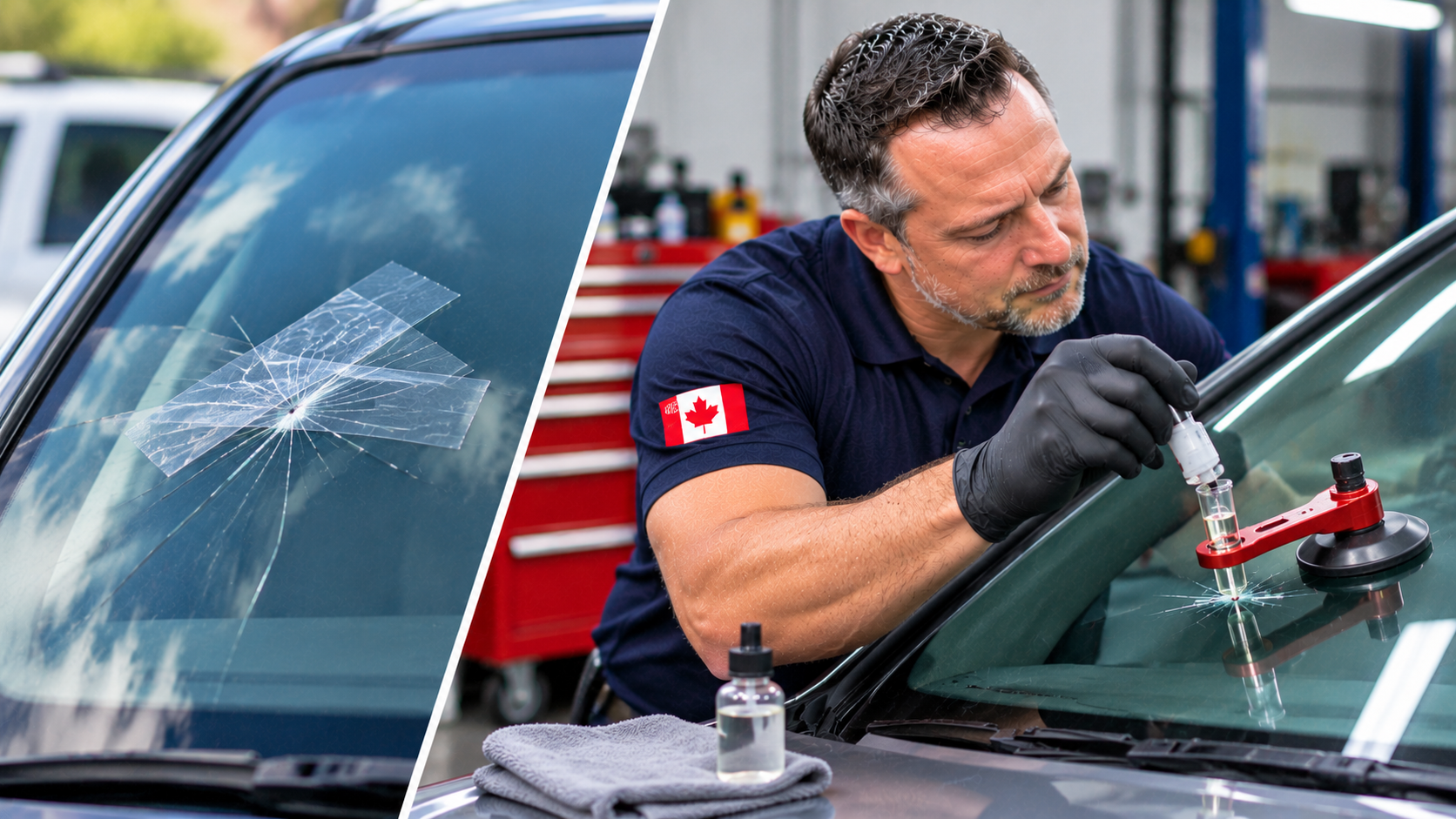
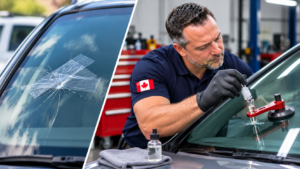
It’s worth saying plainly: a truck windshield with a small chip follows the same repair logic as any other vehicle’s glass. Size, location relative to the driver’s line of sight, distance from the edge, and how long the damage has been exposed all determine whether resin repair is a realistic option, rather than jumping straight to replacement. Our guide on windshield chip repair in Toronto walks through those criteria in more depth, and they apply just as much to a work truck as to a passenger car. Given how much time trucks spend on highways and gravel job sites, chip damage is common — and catching it early is often the difference between a short repair appointment and a full replacement.
What Affects Truck Windshield Replacement Cost
Rather than quoting a single figure that wouldn’t hold up across the range of trucks on Toronto roads, here’s what actually moves the price:
- Vehicle make, model, and trim — glass part numbers and pricing vary between manufacturers and even between trim levels of the same truck
- Glass technology — heated wiper park areas, acoustic glass, or embedded sensor brackets add cost over a basic windshield
- ADAS calibration, where applicable — an additional cost on equipped vehicles, not a universal add-on
- Fleet or commercial considerations — some fleet accounts may have different billing or scheduling arrangements
- OEM vs. OEM-equivalent glass — factory-matched glass typically costs more than an aftermarket equivalent panel built to the same safety specifications
Published pricing across the auto glass industry for pickup trucks in the Toronto area has generally fallen somewhere in the $250–$700 range for standard replacement, with higher-trim or heavily-sensored trucks pushing toward the upper end or beyond, similar to the ranges discussed on our windshield replacement cost page — actual pricing depends entirely on your specific vehicle.
Insurance for Personal and Commercial Trucks
For personally-owned pickups, windshield damage from things like road debris, vandalism, or weather is generally handled the same way as any other vehicle under Ontario comprehensive auto insurance, subject to your deductible. Commercial and fleet vehicles typically carry commercial auto policies, which can have different terms, deductibles, and claims processes than a personal policy — it’s worth confirming with your commercial insurer or fleet manager how glass claims are handled under your specific coverage. Our insurance claim support team can help verify personal-vehicle coverage before work begins.
Mobile Service for Trucks: A Practical Advantage
Because trucks are disproportionately likely to be work vehicles, mobile replacement carries more practical weight here than it might for a personal sedan. A technician arriving at a job site, a depot, or a driveway before a shift starts means the truck doesn’t need to be pulled out of rotation for a shop appointment. For fleet operators managing multiple vehicles, this can mean scheduling several trucks across a single mobile visit rather than staggering shop drop-offs over days.