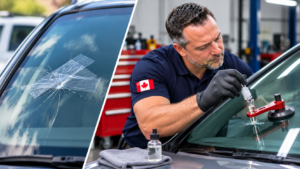
Picture this. You’ve just had a brand-new windscreen fitted, the glass is spotless, and the technician has waved goodbye. But what about ADAS calibration? Three days later, your lane-keep assist starts nudging you towards the wrong side of the road like a mate who’s had one too many at the pub.
That’s not bad luck. It’s a camera that may need proper recalibration after a windscreen replacement.
At Famous Auto Glass LTD, we believe ADAS calibration is one of the most overlooked parts of modern windscreen replacement. Many Canadian drivers know their glass needs to be fitted properly, but fewer realise that the forward-facing camera and other driver assistance sensors may also need recalibration. So, let’s fix that with one cuppa-length read at a time.
What Is ADAS Calibration and Why Is It Important After Windscreen Replacement?
ADAS calibration is the process of checking and adjusting your vehicle’s Advanced Driver Assistance Systems (ADAS) cameras and sensors to ensure they accurately detect road markings, vehicles, pedestrians and other objects. These systems support important safety features such as automatic emergency braking, lane departure warning, lane-keep assist, adaptive cruise control and forward collision warning.
Many modern vehicles have a forward-facing ADAS camera mounted behind the windscreen, usually near the rear-view mirror. This camera monitors lane markings, surrounding traffic, cyclists and pedestrians, helping the vehicle respond to potential hazards.
Here’s why ADAS calibration matters after a windscreen replacement. The camera is designed to operate from a specific position and angle. Even a small change in its mounting position or viewing angle can affect what it detects. Without the required recalibration, your vehicle’s driver assistance systems may receive inaccurate information or fail to respond as expected.
Proper ADAS calibration after windscreen replacement helps restore the camera’s alignment and supports the correct operation of these safety features. Depending on your vehicle’s manufacturer specifications, calibration may involve a static procedure, a dynamic road test, or both.
At Famous Auto Glass LTD, we understand that replacing the glass is only part of the job. Checking whether your vehicle requires ADAS calibration is equally important for a safe and properly completed windscreen replacement.
Your Windscreen Is Basically a Camera Mount
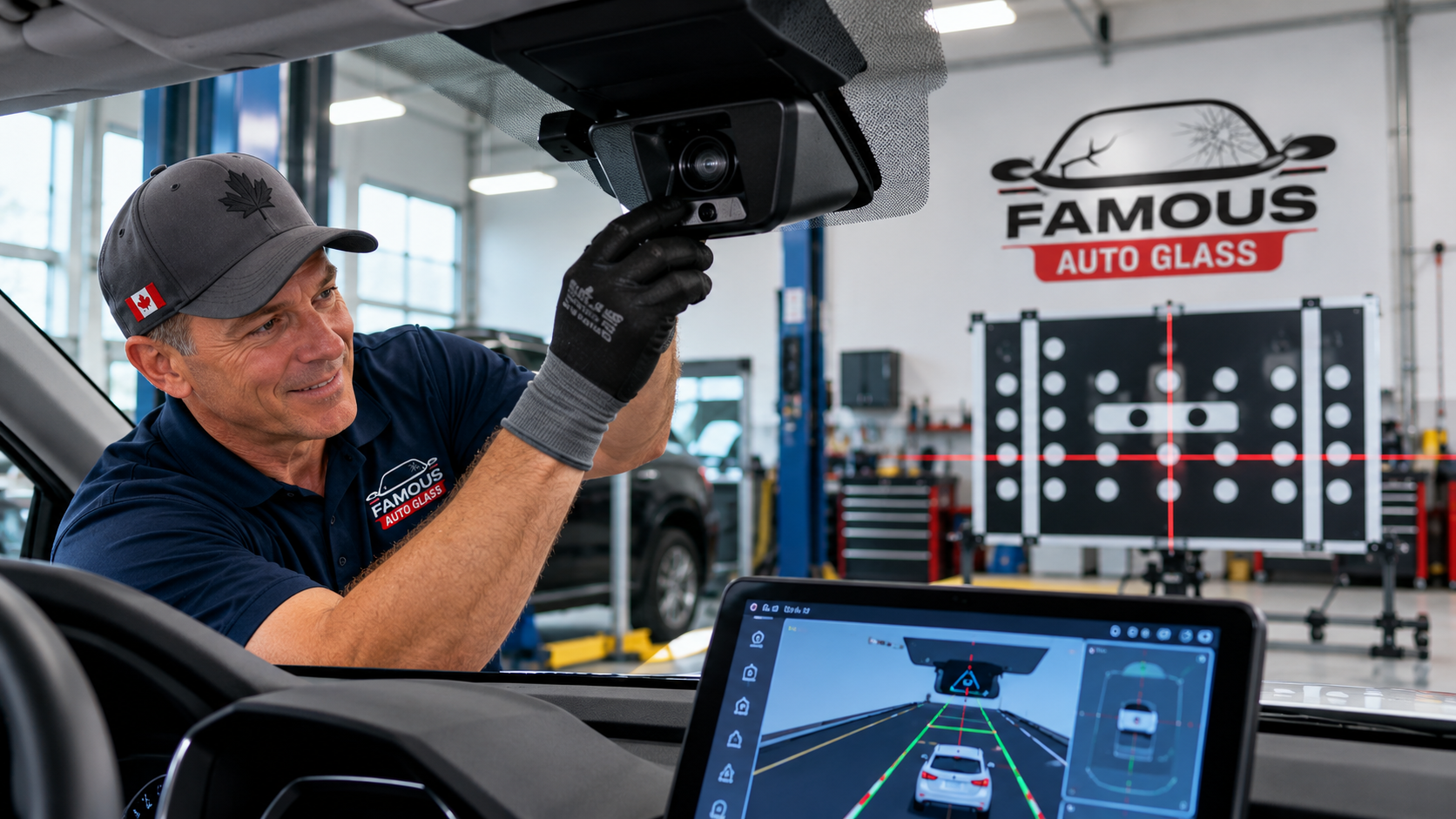
When a technician removes your old windscreen, the camera bracket and the camera’s position come along for the ride. The new glass gets bonded in, the camera goes back on, and even with the best installer in the country, the camera angle won’t be identical to the factory setup.
We’re talking pitch, yaw and roll, tiny changes that make a huge difference at highway speed. A camera that’s out by a hair at the dashboard can be out by a lane width a hundred metres down the road. This is where ADAS calibration becomes important, as it helps restore the camera’s correct alignment.
That’s why car makers publish calibration procedures for their vehicles, and why the owner’s manual of most ADAS-equipped cars tells you recalibration may be needed after windscreen replacement. Transport Canada has noted the same thing: manuals explain that replacing the windscreen can make these systems behave abnormally and that the camera must be recalibrated afterwards.
Think of it like hanging a new picture frame. You can bang the nail in perfectly, but you still have to check it’s level. Similarly, proper ADAS calibration helps ensure your vehicle’s camera is correctly aligned after a windscreen replacement.
What Actually Goes Wrong When ADAS Calibration Is Skipped?
Let’s be fair dinkum about this. Skipping ADAS calibration doesn’t always cause a drama on day one. But an uncalibrated camera can lead to:
- Lane departure warnings that fire at the wrong time, or not at all
- Adaptive cruise control misjudging distance, leaving you too close or braking too early
- Automatic emergency braking that triggers late, early or when there’s nothing there
- Dashboard warning lights that won’t clear no matter how many times you restart the car
- Lane-keep systems that tug you toward the line instead of away from it
There’s even a well-known Canadian case where a driver said his vehicle’s system steered toward oncoming traffic after a windshield replacement, and he’d had no idea the camera needed attention. It’s an extreme example, but it shows why this step is a safety job, not an upsell.
Static, Dynamic or Both? Here’s How ADAS Calibration Works
Not every vehicle in Canada requires the same calibration procedure. Depending on the vehicle manufacturer’s specifications, ADAS calibration generally involves three approaches: static calibration, dynamic calibration, or a combination of both.
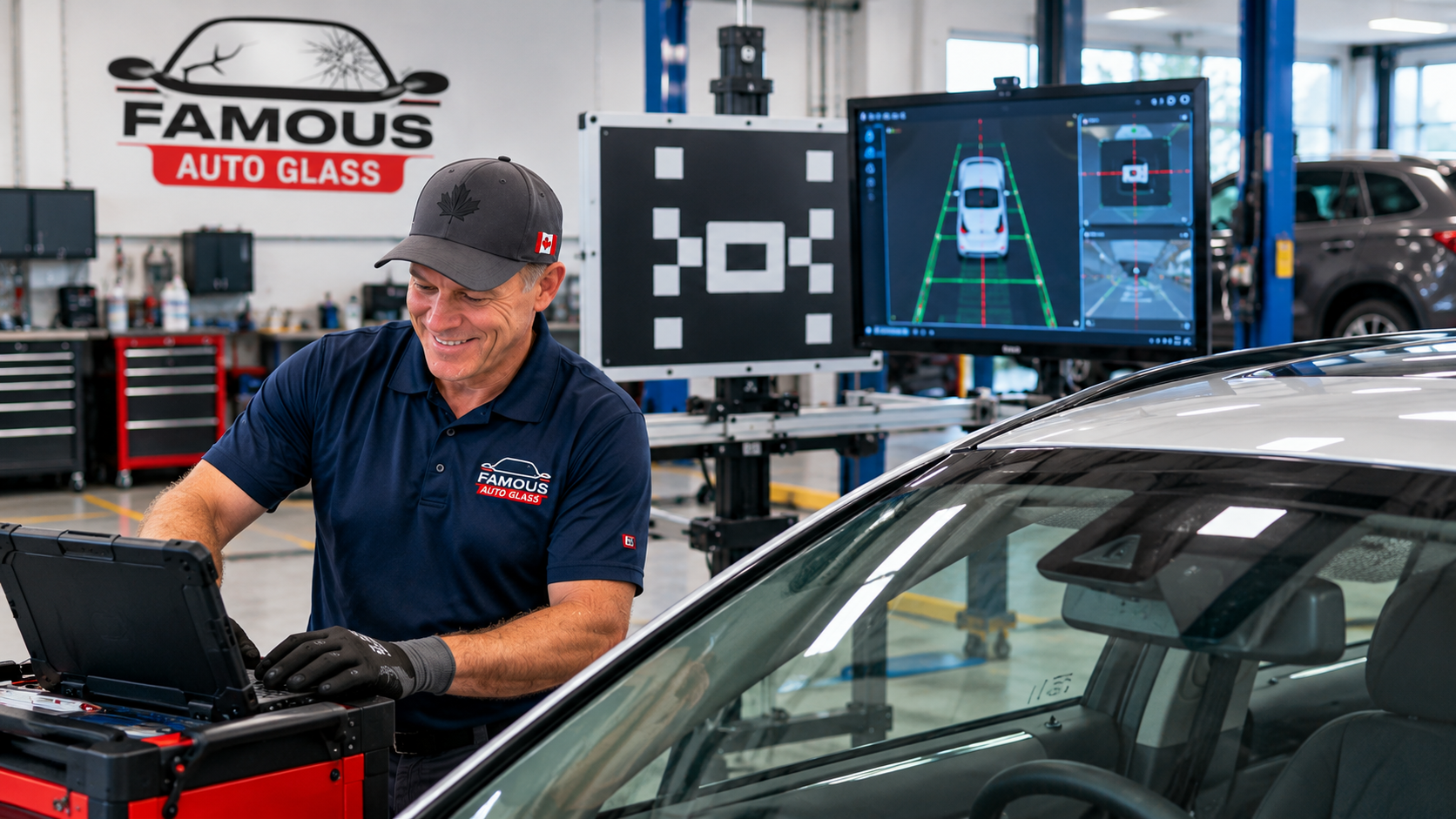
Static Calibration takes place with the vehicle parked in a controlled workshop environment. A technician positions manufacturer-specific targets at precise distances and angles in front of the vehicle, then uses diagnostic equipment to recalibrate the camera. This type of ADAS calibration requires accurate measurements, suitable lighting, and correct vehicle positioning.
Dynamic Calibration takes place on the road. A technician drives the vehicle at a manufacturer-specified speed while diagnostic equipment monitors the camera as it reads real-world lane markings and road conditions. This ADAS calibration procedure requires suitable weather, clearly visible road markings, and appropriate driving conditions.
Combination Calibration involves both methods. Some vehicle manufacturers require static calibration first, followed by a dynamic road test to complete the ADAS calibration process.
Which method applies to your vehicle depends on its make, model, year, and trim level. Canadian drivers own vehicles from a wide range of manufacturers, each with different calibration requirements. That’s why technicians must follow the vehicle manufacturer’s recommended procedure rather than relying on a one-size-fits-all approach.
For more information, you can also read Toyota Canada’s guidance on windshield replacement and camera recalibration.
OEM Glass vs Aftermarket Glass: Does It Matter?
Good question, and one we hear a lot at Famous Auto Glass LTD.
When choosing a replacement windscreen for an ADAS-equipped vehicle, glass compatibility matters. Some vehicle manufacturers recommend genuine OEM glass because differences in dimensions, optical clarity, thickness or camera mounting specifications may affect the performance of driver assistance systems. The correct glass specification is important for successful ADAS calibration.
However, does that mean aftermarket or equivalent-quality glass cannot work? Not necessarily. A Canadian study conducted by Belron Canada and PMG Technologies found that replacing OEM windshields with equivalent-quality replacement glass had little to no effect on the ADAS calibration performance of forward automatic emergency braking and lane departure warning systems in the tested vehicles.
The honest takeaway? The glass must meet your vehicle’s specifications, provide the correct optical quality and fit properly. Regardless of whether you choose OEM or suitable equivalent-quality glass, ADAS calibration must follow the vehicle manufacturer’s requirements after windscreen replacement.
What Does Calibration Cost, and Who Pays?
Let’s talk money, because nobody enjoys a surprise on the invoice.
Calibration is a separate job from fitting the glass. It takes specialist equipment, trained technicians and often one to three hours depending on the vehicle. Industry reporting in Canada has put the extra cost at around $150 on average above the replacement itself, though it varies with the complexity of the task.
The good news is that most Canadian insurers now cover calibration when they cover a windshield replacement claim, and many want documentation proving it was done. If you’ve got glass coverage, it’s worth checking your policy before you book. Our insurance claim support team can help you work through what’s covered, so you’re not left guessing at the counter.
If you’re paying out of pocket, ask upfront whether calibration is included in the quote. A suspiciously cheap price that leaves it out isn’t a bargain, it’s just a bill that’s arriving later.
Chip or Crack? Repair Might Save You the Calibration Headache
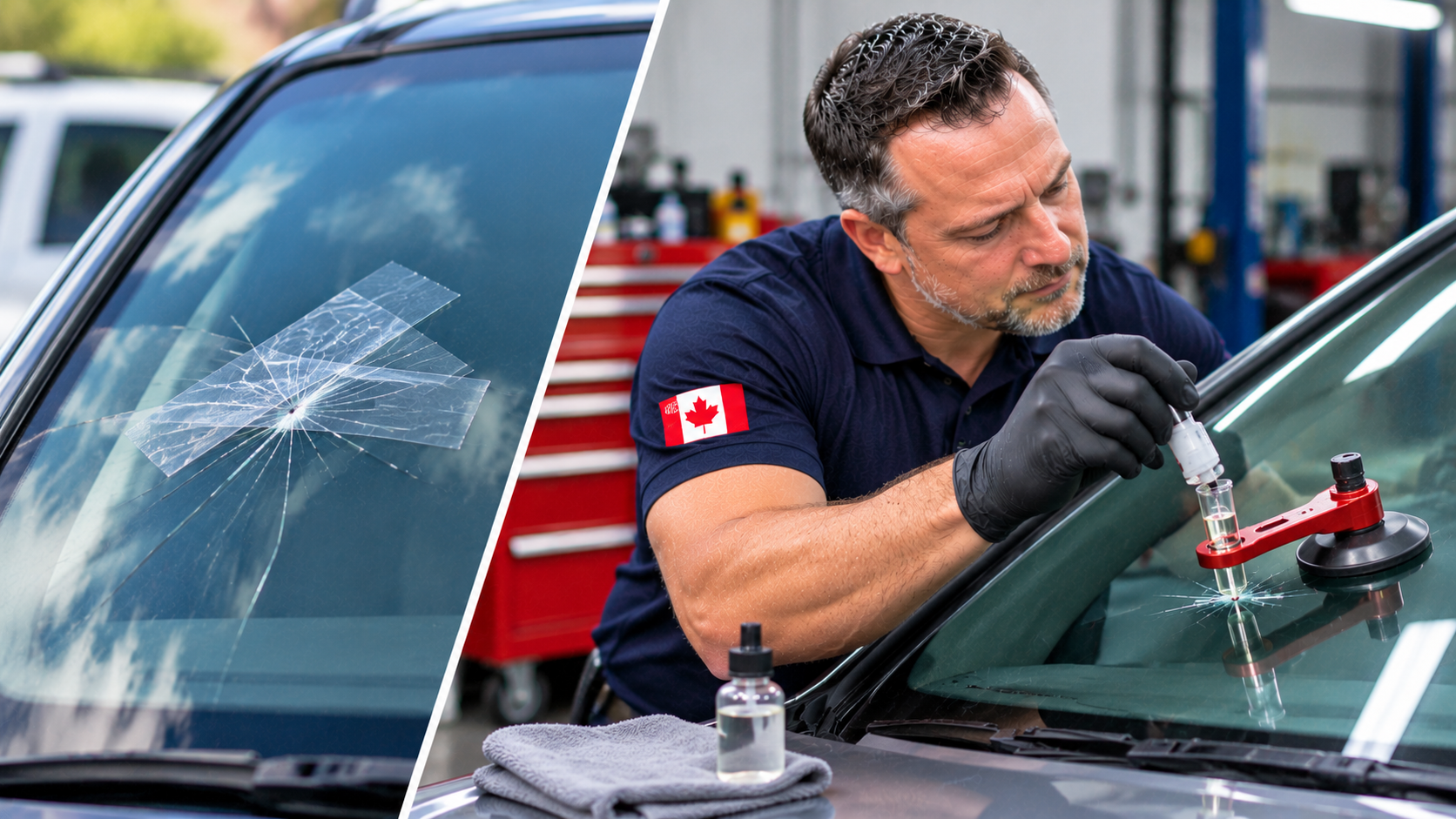
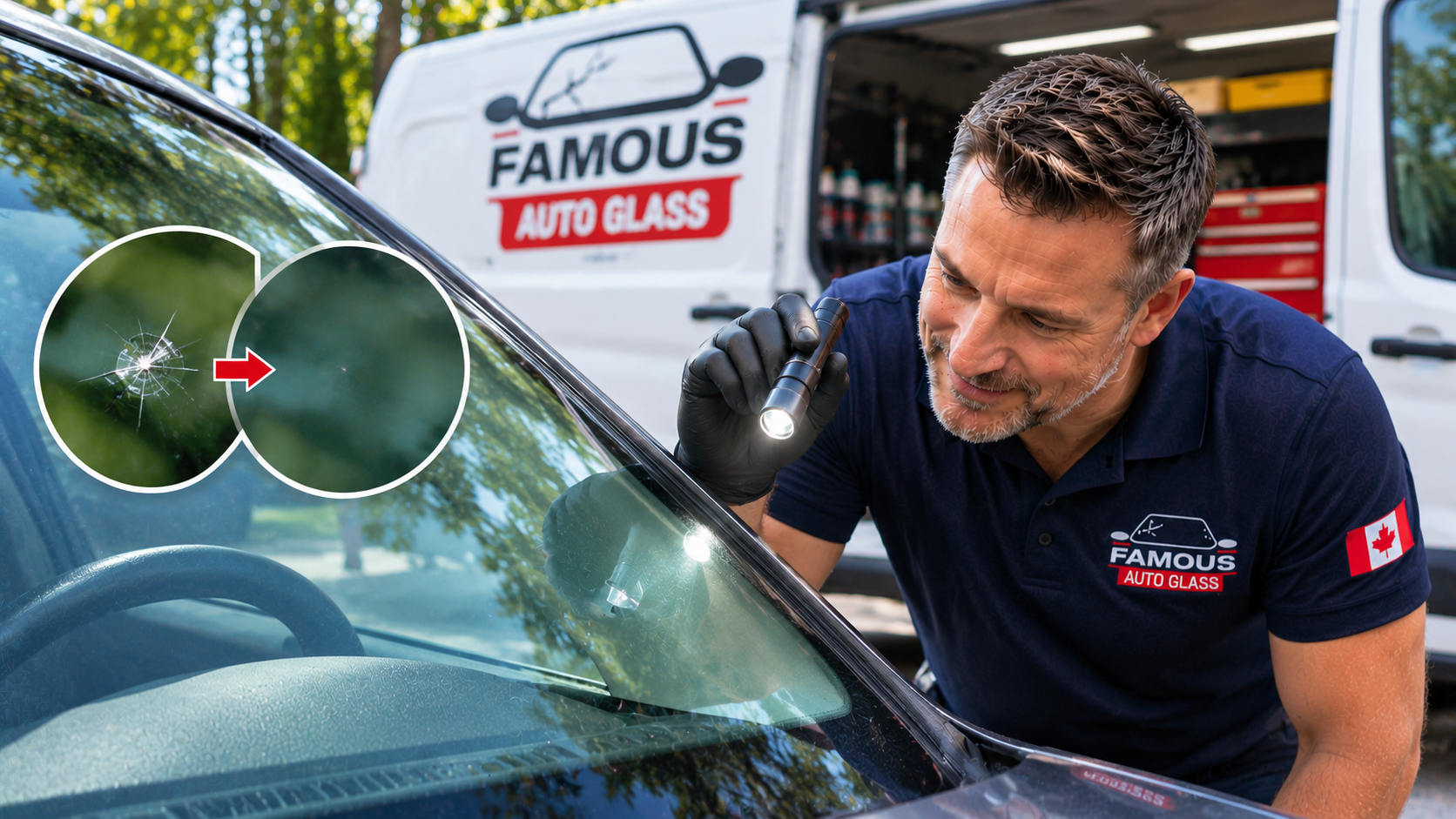
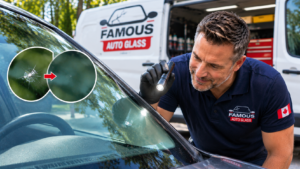
Here’s a cheeky little trick. If the damage is small and not sitting right in the camera’s line of sight, repairing it instead of replacing the whole windshield can sidestep the whole recalibration question, because the glass stays where it is.
Prompt windshield chip and crack repair is usually quicker and cheaper than a full swap, and it stops that tiny star-break turning into a spider web the first time a cold snap hits. In Canada, with our freeze-thaw winters, a small chip can become a long crack faster than you’d think.
The caution: repairs inside the camera’s field of view can sometimes affect how the system sees the road, and some manufacturers advise against them. If your chip is up near the mirror, get it assessed properly rather than guessing. When it’s too big, too deep or in the wrong spot, a full car windshield replacement is the safer call.
Can Mobile Service Handle It?
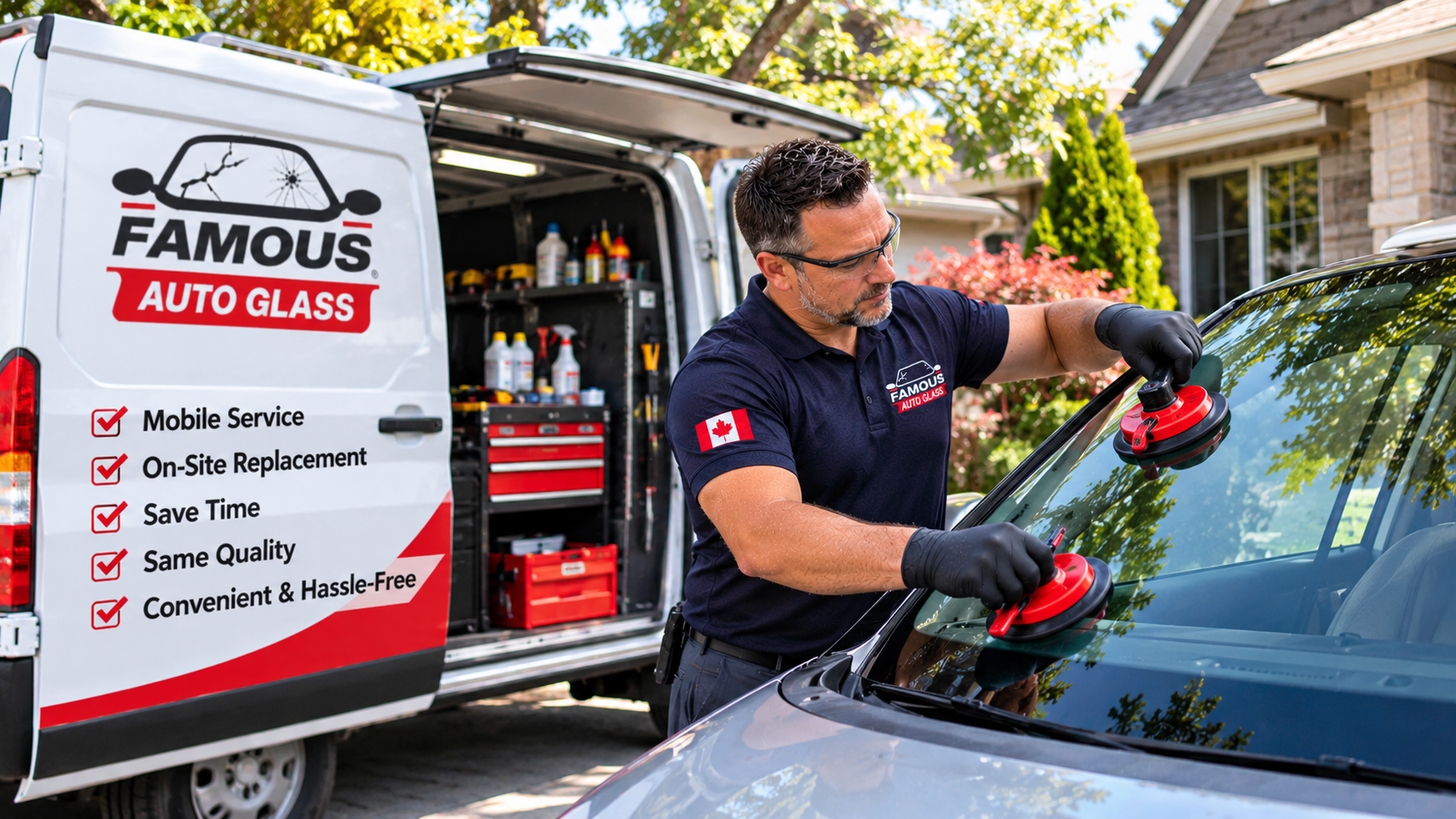
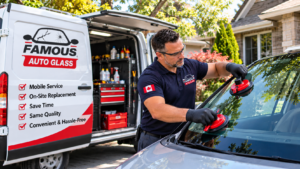
Absolutely, for the glass part. A mobile windshield replacement is a ripper of a convenience: the technician comes to your driveway or workplace, swaps the glass and you carry on with your day.
But calibration is where you need to ask smart questions. Some vehicles can be calibrated dynamically out on the road, while others need a static setup with targets and controlled conditions that a driveway can’t offer. A good provider will tell you honestly which route your car needs, rather than promising everything everywhere.
So when you book, mention your make, model and year, and ask how the calibration will be done. That one question saves a lot of back-and-forth.
What About Rear Glass, Door Glass and Side Mirrors?
Quick myth-buster. Not every piece of auto glass triggers a camera calibration. The front windshield is the big one, because that’s where the forward camera lives.
- Rear glass replacement usually doesn’t involve the front ADAS camera, though heated grids, antennas and defrost connections still need careful reconnecting.
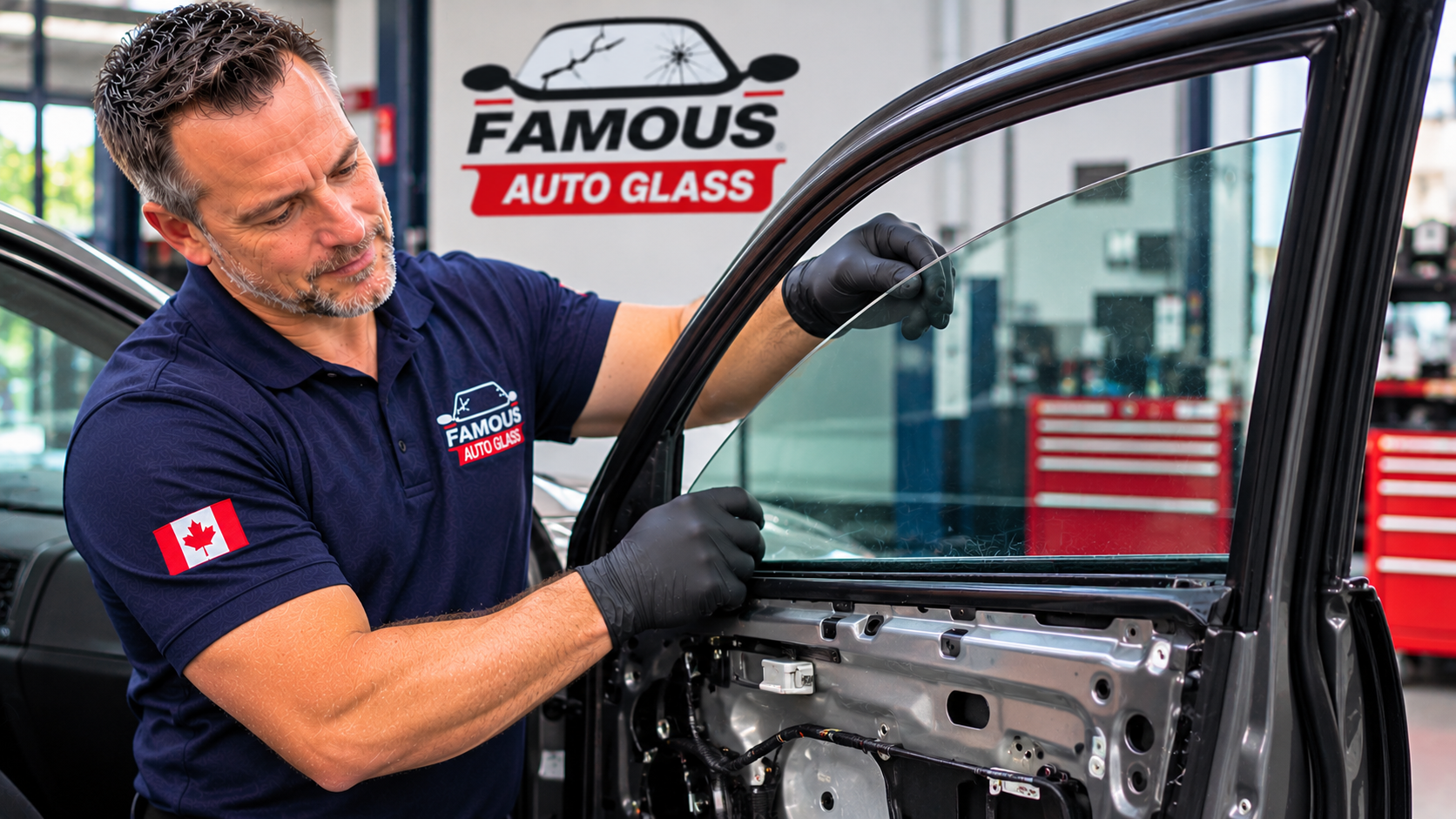
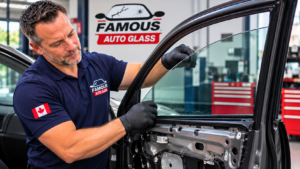
- Door glass replacement is generally a window and regulator job, not a camera job, but a clean fit and proper seal matter for noise and leaks.
- Side mirror replacement is worth a mention because many modern mirrors house blind-spot indicators, cameras or heating elements, so the replacement needs to match your vehicle’s spec.
If you’re unsure whether your job needs recalibration, ask. A reputable shop won’t mind, and neither do we.
How to Pick a Shop That Won’t Leave Your Camera Hanging
Whether you’re after a replacement in Toronto, Mississauga or windshield repair in Oakville, run through this checklist before you commit:
- Do they ask about ADAS features when you call, or only about the crack?
- Is calibration in the quote, or an “extra” they’ll mention later?
- Will you get a calibration report you can hand to your insurer?
- Do they follow the manufacturer’s procedure for your exact make and model?
- Can they explain static vs dynamic in plain English, without waffling?
If the answers are vague, keep shopping. This is your safety net we’re talking about, not a pair of sunnies.