Your vehicle’s glass does far more than let you see the road. Quality automotive glass influences how safely you drive, how well your car protects you in a collision, and how comfortable your cabin feels through a Canadian winter. Yet most drivers only think about automotive glass when a chip appears or a crack begins creeping across the windshield. At Famous Auto Glass LTD., we believe a little knowledge goes a long way. This guide explains how automotive glass works, how to spot damage early, and what your options are when repair or replacement becomes necessary.
Why Vehicle Glass Matters More Than You Think
Automotive glass is the term for every glass component fitted to a car, SUV, van, or truck. That includes the windshield, front and rear door windows, quarter panels, rear glass, sunroof panels, and the glass inside side mirrors. Each piece is engineered for a specific purpose. Some parts must absorb impact from road debris, some must break in a controlled way during a collision, and others must help hold the roof in place if the vehicle rolls over.
Many drivers do not realize how much work the windshield does. It contributes to the structural strength of the cabin and supports the passenger-side airbag as it deploys. When the glass is cracked, poorly bonded, or replaced with inferior materials, those protective functions can be compromised. That is why modern automotive glass should be treated as a safety component, not a cosmetic accessory.
Today’s vehicles also pack technology into the glass. Rain sensors, heating elements, antennas, acoustic layers, and the cameras used for lane-keeping and collision warning all depend on clear, correctly installed glass. A small error in fitting can affect how these systems perform, which makes professional handling of automotive glass more important than ever.
Laminated vs. Tempered: The Two Main Types of Glass in Your Vehicle
Two main types of automotive glass protect you on the road. Laminated glass is made of two layers of glass bonded to a clear plastic interlayer. When it is struck, the interlayer holds the fragments together, which keeps the glass from collapsing into the cabin and helps keep occupants inside the vehicle during a crash. Windshields are made this way.
Tempered glass is heated and then rapidly cooled so that it becomes much stronger than ordinary glass. When it does fail, it crumbles into small, blunt pieces rather than sharp shards. Most side windows, door glass, and rear glass are tempered. Some newer vehicles also use laminated glass for side windows to improve noise reduction and security.
This difference explains many repair decisions. A laminated windshield can often be repaired when the damage is small, because the interlayer keeps the structure intact. Tempered glass, on the other hand, cannot be repaired once it breaks, so it must be replaced entirely. Knowing which type you have helps you understand what to expect when you call a glass shop and why the recommended solution differs from one window to another.
The Windshield: Your Vehicle’s First Line of Defence
Your windshield faces gravel, insects, road salt, hail, and sharp temperature swings every day. Because it sits directly in your line of sight, even minor flaws can scatter light, cause glare at night, and tire your eyes on long drives. A clean, undamaged windshield gives you the best possible view of the road and keeps your driver-assistance sensors working accurately.
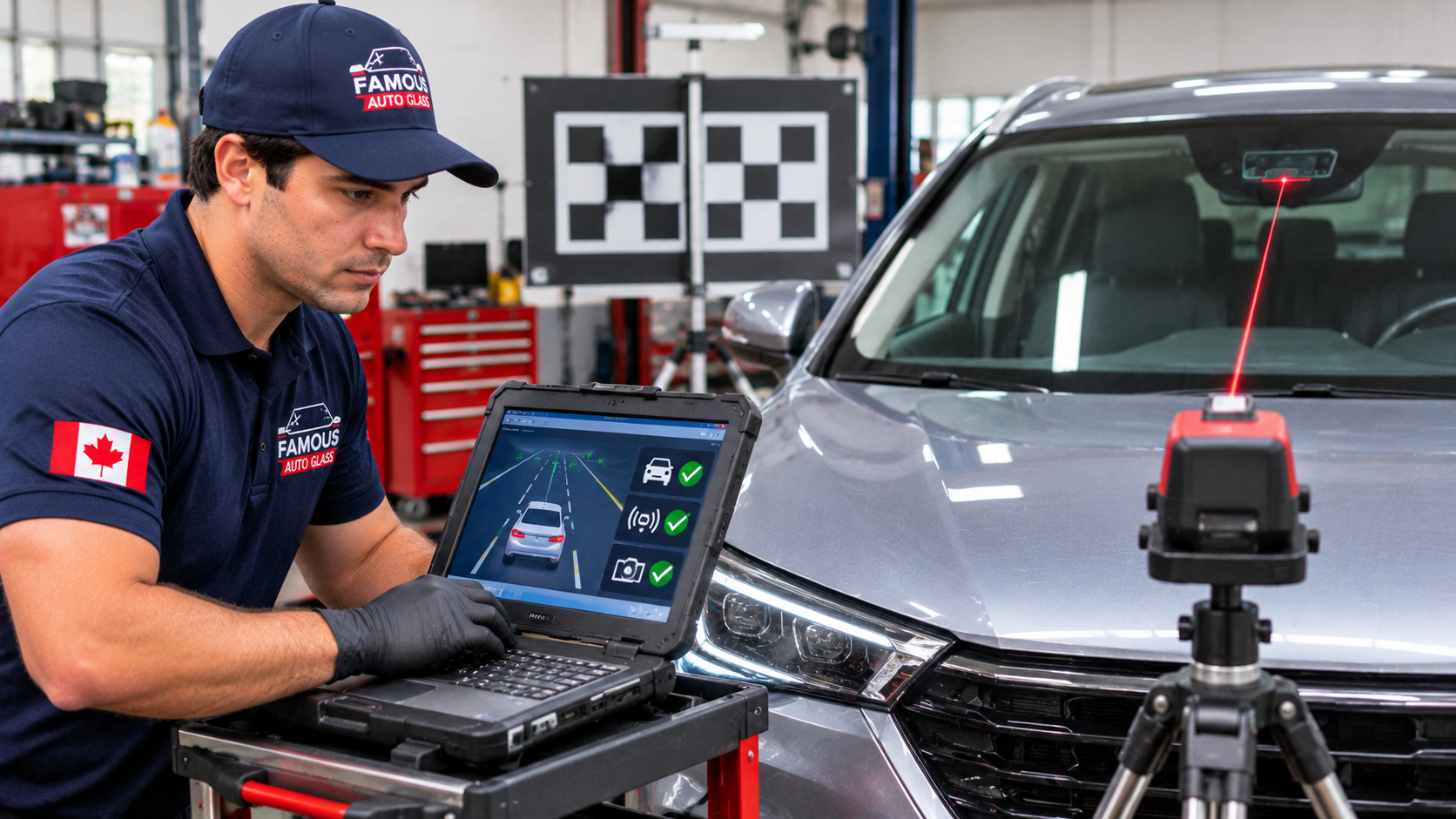
On vehicles with advanced driver-assistance systems, the camera mounted behind the windshield reads lane markings, road signs, and vehicles ahead. If the glass is replaced, that camera usually needs recalibration so it continues to see the road correctly. Skipping this step can leave safety features unreliable. If you would like to understand what a proper front glass swap involves, our article on front window replacement at Famous Auto Glass walks through the process step by step. Getting this right protects the performance of your automotive glass and the safety systems that depend on it.
Chips and Cracks: Small Damage, Big Consequences
A stone chip may look harmless, but the windshield is under constant stress from vibration, body flex, and temperature change. A tiny chip can spread into a long crack overnight, especially when a freezing morning is followed by a defroster blasting hot air. Once a crack reaches the edge of the glass or crosses your line of sight, repair is often no longer an option.
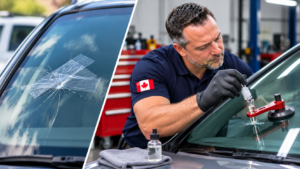
The good news is that early action is simple and affordable. Small chips, roughly the size of a loonie or smaller and short cracks can often be fixed with a clear resin injected into the damaged area. This restores clarity, prevents the damage from spreading, and keeps the original factory seal of the windshield intact. Our windshield crack and chip repair service is designed for exactly this situation, and most repairs are finished in well under an hour. Acting quickly protects the strength of your automotive glass and often saves the cost of a full replacement.
A good habit is to check your windshield every time you fill up for fuel. If you spot a chip, cover it with a small piece of clear tape to keep out dirt and moisture, avoid slamming doors, and book a repair as soon as you can.
When Replacement Is the Only Safe Option
Not every problem can be repaired. Replacement is recommended when a crack is long, when damage sits in the driver’s direct line of sight, when chips are close to the edges, or when the glass has several points of impact. Deep damage that has reached the inner layer also calls for a new windshield.
Professional windshield replacement does much more than swap one piece of glass for another. The technician removes the old windshield, cleans and prepares the frame, applies a high-quality urethane adhesive, seats the new glass precisely, and allows the bond to cure properly. That adhesive is what holds the windshield in place during a crash, so shortcuts here can have serious consequences. Choosing a shop that follows manufacturer procedures protects both your safety and the quality of your automotive glass for years to come.
After installation, a careful technician will also explain the safe drive-away time, how long to leave the retention tape in place, and what to avoid in the first day, such as high-pressure car washes. These small details make a big difference to how well the new windshield performs.
Door Glass: A Small Panel with a Big Job
A broken side window is one of the most common vehicle problems. It often comes from break-ins, flying debris, or a window regulator that fails. Because door glass is tempered, it shatters completely, leaving fragments inside the door panel and the cabin. Driving with a broken window leaves your vehicle exposed to weather, theft, and wind noise.
A proper door glass replacement involves removing the door panel, clearing every fragment from inside the door, fitting a new pane, and testing the regulator and seals so that the window moves smoothly and closes tightly. If you are curious about what to expect, our blog on door glass replacement service explains common causes of damage and how the repair is carried out. Fast attention matters, since rain getting inside the door can damage electrical components and lead to rust and unpleasant odours over time.
Rear Glass: More than Just a Back Window
The rear glass is tempered and is often fitted with defroster lines and antenna elements. When it breaks, it can shatter in an instant, sometimes from a small impact or even from a sudden temperature change. A cracked rear window affects visibility through your mirror, exposes the cargo area, and can interfere with the heating lines that clear ice in winter.
A skilled rear glass replacement restores the window along with its defroster connections and seals, so you regain full function rather than just a covered opening. Since the back of the vehicle matters for security as well as visibility, delaying this repair is rarely a good idea. Quality automotive glass in the rear also helps keep road noise, dust, and exhaust fumes out of the cabin, which makes every commute more comfortable.
Side Mirrors: The Overlooked Part of Vehicle Glass
Side mirrors are easy to forget until one gets knocked off in a parking lot. Yet mirror glass is just as vital to safe driving as the windshield, since it covers your blind spots during lane changes and merging. Cracked or loose mirror glass distorts what you see and can lead to costly mistakes on busy roads.
Our side mirror repair service covers damaged mirror glass, broken housings, and faulty adjustment mechanisms, so you do not have to replace a whole unit when only one part has failed. Including mirrors in the conversation about automotive glass is a reminder that safe visibility depends on every reflective and transparent surface around the vehicle, not only the large pane in front of you.
Mobile Service: Repairs Where You Are
Busy schedules rarely leave room for a trip to a repair shop. A mobile auto glass service brings the technician and equipment to your home, office, or parking lot, so you can keep working while the job gets done. Many chip repairs, side window replacements, and even full windshield installations can be completed on-site, provided the weather and conditions allow.
Mobile service is especially useful when your vehicle is unsafe to drive, such as after a break-in or when a crack has spread across the driver’s view. It also suits fleet owners and small businesses that cannot afford downtime. Convenience should never come at the expense of quality, though. A reputable provider uses the same adhesives, tools, and procedures at your driveway as it does in the shop. That is how mobile glass care stays reliable, safe, and worth the call.
Insurance and Automotive Glass: Making the Claim Easier
Many drivers hesitate to repair glass because they assume the cost will be high or the claim process complicated. In reality, many comprehensive auto policies cover glass damage, and some include repair or full glass coverage with a reduced or waived deductible. The details differ between insurers and provinces, so it helps to review your policy before booking.
Our team offers insurance claim support to guide you through the paperwork, document the damage, and communicate with your insurer. This removes much of the stress from the process, so you can focus on getting your vehicle back on the road. If you are unsure what your policy covers, bring it along or send us the details, and we will explain how automotive glass claims normally work and what to expect at each stage.
Canadian Rules and Road Safety Standards
Glass is not only a matter of comfort. It is also a matter of law. Provincial traffic legislation requires vehicles to be kept in safe operating condition, and windshield damage that obstructs the driver’s view can lead to a fine or a failed safety inspection. In Ontario, for example, the Highway Traffic Act sets out requirements for vehicle equipment and safe operation, including provisions that affect windshields and windows. Rules differ from one province to another, so always check the requirements that apply where you drive.
Glazing materials sold in Canada are also expected to meet national safety standards under the Motor Vehicle Safety Regulations. This is one more reason to choose certified automotive glass installed by trained professionals rather than low-cost parts of unknown origin. Proper materials and correct installation protect you, your passengers, and your insurance coverage if you ever need to make a claim.
Caring for Your Glass through the Canadian Seasons
Our climate is hard on glass. Freezing nights, salted roads, sudden thaws, and summer heat all create stress that can turn a small flaw into a major problem. A few simple habits make a real difference:
- Never pour hot water on a frozen windshield. The sudden temperature change can crack it instantly.
- Warm the cabin gradually and aim the defroster at a moderate setting before turning it up.
- Replace worn wiper blades before winter so they do not scratch the surface or drag grit across it.
- Keep a safe following distance on gravel or freshly salted roads to reduce stone chips.
- Clean the glass inside and out regularly, as dirt can hide early damage.
- Park in a garage or shaded area when you can, especially during heat waves.
Following these habits will extend the life of your automotive glass and reduce unplanned repairs.
How to Choose the Right Automotive Glass Provider
Not every glass shop offers the same level of care, so it pays to ask a few questions before you book. Look for certified technicians who follow manufacturer procedures, use quality glass and professional-grade adhesives, and can recalibrate driver-assistance cameras when needed. Ask about warranties on both the glass and the workmanship, and request clear pricing before any work begins.
It also helps to choose a provider that can handle the entire range of services you might need, from chip repair and windshield replacement to door glass, rear glass, and side mirrors, plus mobile visits and help with insurance. Famous Auto Glass LTD. offers all of this under one roof, which means you deal with one trusted team whether your problem is a tiny chip or a shattered window. Transparent communication, honest advice on repair versus replacement, and respect for your time are what separate a dependable partner from a quick fix.