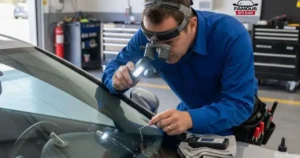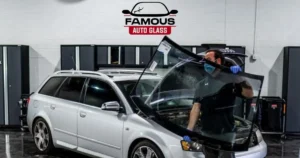
Yes, car insurance typically covers cracked windshields through comprehensive coverage, which protects against damage from road debris, flying gravel, and rock chips.
Most insurance providers in Canada offer full glass coverage with deductible waivers specifically for chipped windshield repair in Toronto and replacement.
Coverage eligibility depends on your policy terms, the cause of damage, and provincial regulations. Understanding your coverage options ensures you can file an insurance claim efficiently when windshield damage occurs.
Does Insurance Cover a Cracked Windshield?
Yes, insurance covers a cracked windshield if you have comprehensive insurance on your policy.
Comprehensive claims protect against non-collision damage including:
- Flying rocks
- Hailstorms
- Falling objects
- Vandalism
- Weather damage
This coverage is automatic with standard policies that include comprehensive protection. However, third-party liability alone won’t cover windshield breakage.
Coverage scope depends on insured perils outlined in your policy, so policy holders should verify their glass-specific coverage details. Most insurance protection extends to all types of glass breakage caused by environmental factors and covered incidents beyond your control.
What Type of Car Insurance Covers a Cracked Windshield?
Two insurance types cover windshield damage: comprehensive and collision coverage.
These optional coverage categories provide different protection plans depending on how the damage occurred. Understanding coverage distinctions helps policy holders choose appropriate insurance options.
Standard protection typically includes both coverage types, though premium coverage offers additional benefits like deductible waivers for glass-specific claims.
Comprehensive Insurance
Comprehensive auto insurance provides all perils coverage for windshield damage from non-accident scenarios.
This includes windshield chips from:
- Stone strikes and debris strikes
- Storm damage and fire damage
- Tree branches and falling objects
- Parking lot damage from gravel
- Animal collisions and acts of nature
The comprehensive deductible applies unless you have a glass-specific waiver. This protection plan handles covered circumstances beyond your control, making it essential for protecting against rock damage and all glass claims.
Collision Coverage
Collision insurance covers windshield damage from vehicle collision events and accident scenarios.
This includes impact damage from:
- Single-vehicle accidents
- Rollover accidents
- At-fault accidents where your windshield cracks during the crash
The collision deductible must be paid before repairs. Collision policy handles circumstances like hitting barriers or other vehicles.
While comprehensive covers non-accident damage, collision protection specifically addresses accident damage, making collision scope important for complete accident insurance coverage.
Need help with your windshield claim? Contact us today — fast, hassle-free service.
What Is Windshield Insurance?
Windshield insurance is specialized insurance providing dedicated glass coverage beyond standard policies.
Full glass insurance includes windshield-specific coverage through:
- Glass insurance riders
- Windshield endorsements added to your comprehensive policy
These glass protection packages offer windshield insurance benefits like zero-deductible repairs and replacements.
Some insurers offer standalone glass-only policies, though most provide windshield protection plans as glass coverage options within comprehensive coverage. Comprehensive glass coverage typically includes all auto glass, while dedicated windshield coverage focuses specifically on windscreen protection.
Is Windshield Replacement Covered Under Insurance?
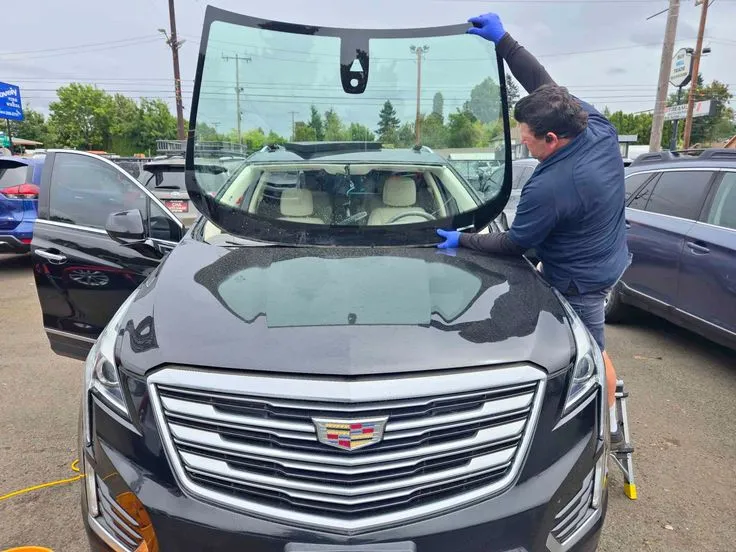
Yes, windshield replacement is covered under comprehensive insurance when damage is irreparable.
Full replacement requires eligibility based on criteria like crack size and location. Insurance-covered replacement includes services for complete windshield replacement using OEM windshields or aftermarket glass meeting replacement standards.
The replacement process involves:
- Replacement approval and authorization from your insurer
- Windshield removal and new windshield installation
- Reimbursement following replacement procedures
Replacement coverage limits may apply, but replacement benefits typically cover certified replacement costs minus your deductible.
Does Insurance Cover a Windshield Chip?
Yes, insurance covers windshield chip damage through comprehensive coverage, typically with zero chip deductible.
Minor chips and small chips from rock chips or stone chips qualify for insurance-covered chip repair when they meet chip coverage criteria.
What to know about chip repair:
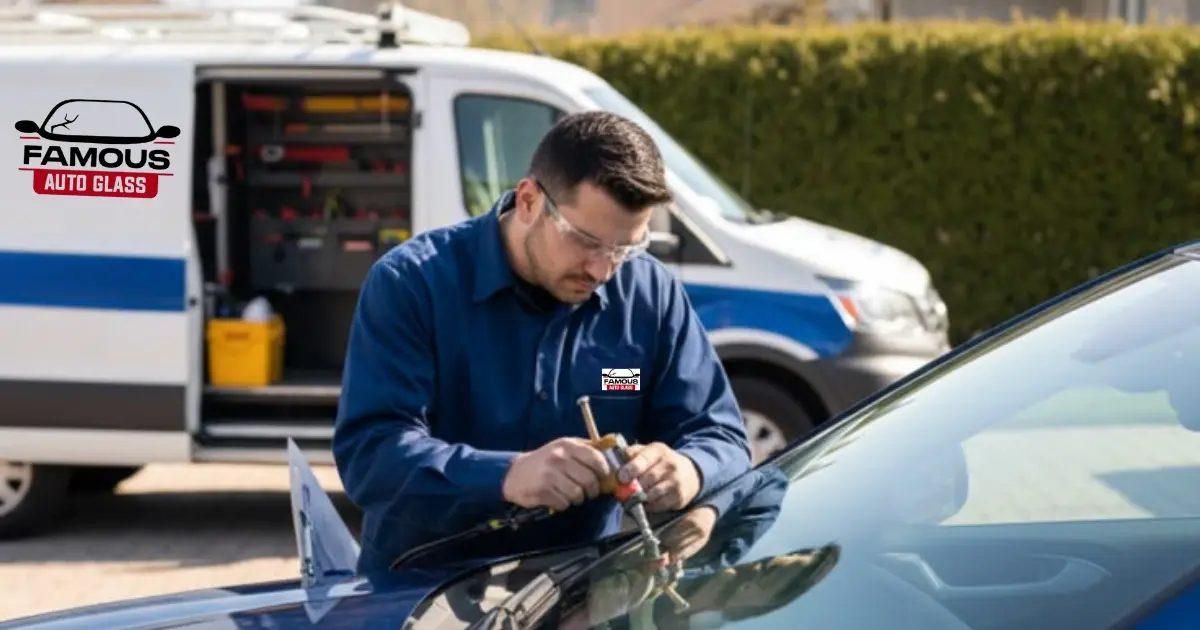
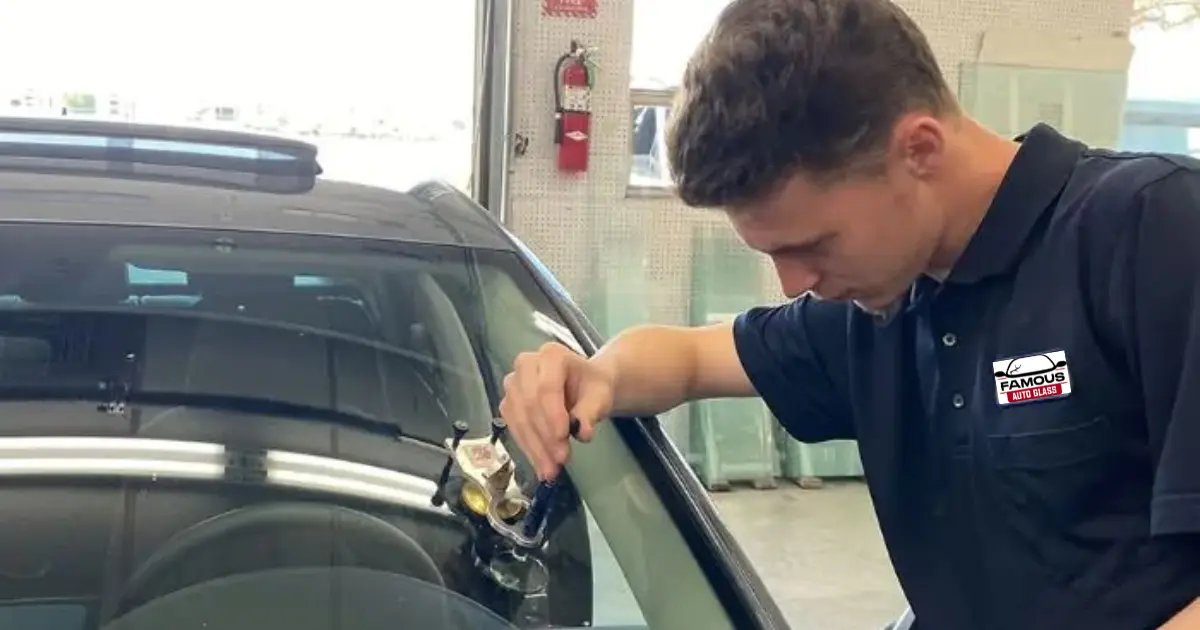
- Chip repair services use resin repair techniques for quick, same-day fixes
- Most insurers waive the chip deductible for chip claims
- Immediate chip repair prevents crack expansion
The chip repair process involves damage evaluation and chip assessment to determine size eligibility. Chip repair cost is usually fully covered, making chip repair services accessible with a minimal repair timeline.
Don’t wait on a chip — book your repair now before it spreads.
When Does Insurance Cover a Windshield Crack?
Insurance covers windshield crack damage when it meets the crack coverage criteria outlined in your policy.
Covered cracks include those from insurable events like road debris, regardless of crack types or patterns. Crack eligibility depends on:
- Crack severity and length
- Crack location on the windshield
The crack assessment evaluates whether cracks are repairable or require replacement. Structural cracks, stress cracks, and edge cracks all qualify for crack damage coverage under comprehensive policies.
Small Cracks and Chips
Small cracks and tiny chips qualify for same-day repair under comprehensive coverage with a deductible waiver.
Minor damage that typically qualifies:
- Cracks smaller than a dollar bill
- Chips smaller than a quarter
Mobile repair services offer quick repairs, encouraging preventive repair before damage spreads. Minor crack guidelines ensure small damage priority for repairs, with minor damage costs fully covered and an expedited repair timeline.
Larger Cracks and Broken Windshields
Larger cracks and broken windshield damage require complete replacement under comprehensive coverage.
Severe cracks causing visibility obstruction or affecting the driver’s line of sight create safety hazards requiring immediate action. Shattered glass and extensive damage compromise structural integrity.
The major damage claims process handles:
- Broken windshield replacement when crack length exceeds repairable limits
- Safety-related replacement for structural compromise
- Severe damage coverage applying the standard comprehensive deductible
Should You Repair or Replace Your Cracked Windshield?
The repair vs replacement decision depends on damage assessment criteria including damage size and crack location.
Repair limitations exist for:
- Cracks exceeding three inches
- Damage affecting driver’s vision
Repair effectiveness offers a temporary vs permanent fix, with a high success rate for small damage. Replacement durability provides long-term value despite higher costs.
Cost comparison shows repair cost-effectiveness for minor damage, while replacement benefits include restored structural integrity. Professional assessment evaluates feasibility versus replacement recommendations based on damage severity.
How Much Does It Cost to Fix a Cracked Windshield?
- Chip repair: typically $50–$150
- Full windshield replacement: average $200–$500
Cost factors include labor, glass type (OEM vs aftermarket), and vehicle type. OEM glass costs more than aftermarket alternatives. Mobile service fees add to costs for convenience.
Insurance-covered costs reduce out-of-pocket expenses significantly, with only your deductible due. Geographic pricing differences and vehicle type also affect final cost estimates. Luxury vehicles typically carry higher replacement expenses.
Get a fast quote — contact Famous Auto Glass today.
How to Get Your Windshield Replaced by Insurance
Follow these steps to file a windshield insurance claim:
- Notify your insurer: report the damage as soon as possible
- Submit photo documentation: photograph the damage clearly
- Complete claim forms: include your policy number and incident details
- Await claim approval: a claims adjuster reviews your case
- Choose an approved repair shop: insurance-approved facilities offer direct billing
- Schedule your repair appointment: most claims process within 2-48 hours
Claim procedures require documentation showing the damage extent, and submission within specified timeframes. Most insurers streamline the process for quick authorization at approved facilities.
What If I Have a Deductible for Windshield Claims?
Deductible application varies by insurer and damage type.
Key things to know:
- Many policies offer a deductible waiver or zero-deductible coverage specifically for glass claims
- Without a waived deductible, you pay upfront before repairs begin
- Standard comprehensive deductibles typically range $250–$1,000
- Full glass deductible waivers eliminate all deductible payment for chips and cracks
- Some insurers offer a reduced special glass deductible as an alternative
Deductible terms and requirements vary, check your policy documents or contact your insurer to clarify your specific coverage.
Should I Use Insurance to Replace My Windshield?
The claim decision depends on several filing factors.
Use insurance if:
- Repair or replacement costs significantly exceed your deductible
- The damage is extensive and safety-related
Consider paying out-of-pocket if:
- Repair cost is close to or less than your deductible
- You’re concerned about claim history impacting future premiums
Small claim impact on premiums varies by insurer. Insurance claim advantages include professional repairs and warranty protection, while potential claim disadvantages involve rate increases. Strategic claim filing considers the full financial impact for optimal insurance utilization.
Does Windshield Replacement Affect Insurance Rates?
Windshield replacement typically has minimal rate impact since comprehensive claims are no-fault claims.
Most insurers maintain rate stability for single glass claims, avoiding significant premium adjustments. However:
- Multiple claims may affect claim-free discount eligibility
- Some providers offer first-claim forgiveness or rate forgiveness programs
- Multi-claim rate impact increases the likelihood of rate increases
Glass claim rate impact is generally lower than collision claims. Rate variation by provider means premium consequences differ, always check your specific insurer’s policies.
How to Avoid Windshield Damage in the Future
On the road:
- Maintain a safe following distance to avoid road debris
- Take gravel road precautions and stay alert in construction zones
- Practice defensive driving to reduce debris exposure
When parking:
- Use garage or covered parking whenever possible
- Choose safe parking locations away from trees and overhangs
- Avoid temperature extremes that can cause stress cracks
Maintenance tips:
- Conduct regular inspections and repair minor damage before cracks spread
- Maintain wiper blades to prevent windshield scratches
- Apply glass treatment products or protective film for added protection
Proactive preventive care and risk reduction strategies minimize future damage and costly claims.
FAQs:
Does insurance cover all windshield damage?
Comprehensive coverage handles most windshield damage caused by covered perils such as road debris, hailstorms, and falling objects. Pre-existing damage or wear and tear is typically excluded. Always review your policy documents to confirm which specific incidents qualify under your coverage.
How long does claim approval take?
Most insurers process windshield glass claims within 24 to 48 hours. Simple chip repairs are often approved faster than full replacement requests. Providing clear photo documentation and complete incident details upfront helps speed up the approval process considerably.
Can I choose any repair shop?
Most insurers allow policyholders to select their preferred repair shop. However, choosing an insurance-approved facility often enables direct billing, meaning the insurer pays the shop directly. Using a non-approved shop may require paying upfront and submitting receipts for reimbursement afterward.
Are there coverage limits for windshield claims?
Most comprehensive policies cover the full cost of windshield repair or replacement, subject to your deductible. Some policies include a full glass endorsement that removes the deductible entirely for glass claims. Coverage limits and terms vary by insurer, so reviewing your policy details is recommended.
What documentation is needed to file a claim?
Policyholders typically need to provide clear photographs of the damage, their policy number, a description of how and when the damage occurred, and the location of the incident. Some insurers may also request a repair estimate from a certified glass technician before approving the claim.
Do provincial differences affect windshield coverage?
Windshield coverage eligibility and deductible rules vary across Canadian provinces. Some provinces have specific regulations that influence how glass claims are processed and whether deductible waivers apply. Contacting your insurance provider directly clarifies how provincial rules affect your specific policy and coverage.
Is a windshield repair covered differently than a full replacement?
Repairs for minor chips and small cracks are often covered with no deductible under many comprehensive policies. Full replacements may require paying the standard comprehensive deductible unless a glass endorsement waiver applies. The extent of the damage determines whether repair or replacement is authorized by the insurer.
What happens if windshield damage affects my ability to drive safely?
Windshield damage that obstructs the driver’s line of sight or compromises the structural integrity of the glass is considered a safety concern. Insurers typically prioritize these claims and may fast-track approval for replacement. Driving with severe windshield damage may also violate provincial road safety regulations.