Picture this. You’ve cleared your morning, the kettle’s on, the technician rocks up on time, and the new glass arrives… with no rain-sensor patch, a camera bracket your car doesn’t even have, and a fit that’s a few millimetres off. Cue the sad trombone.
So, what information is needed to order the correct windshield for your vehicle? It’s a lot more than “grey Corolla, mate, about 2016.” Modern glass is built to match your exact trim, your tech and even the month your car rolled off the line. At Famous Auto Glass LTD., we’d rather ask ten annoying questions up front than send you home with a pane that doesn’t suit. Here’s the full rundown, minus the jargon headaches, so your next car windshield replacement goes right the first time.
Why “Close Enough” Doesn’t Exist in Auto Glass
A windshield isn’t just a clear barrier against bugs and bad weather. It’s bonded to the body, supports the roof in a rollover and helps the passenger airbag deploy properly. Get the wrong part and you can end up with wind noise, water leaks, a weak bond or, on newer cars, safety features that quietly stop working.
That’s why a proper shop won’t guess. The right glass is identified by a mix of details: the VIN, the model year, the trim, the body style and the features baked into the glass itself. Miss one, and you’ve got an expensive paperweight. Let’s walk through them, one at a time.
Start With the VIN: Your Car’s 17-Character Fingerprint
The Vehicle Identification Number is the single most useful piece of information you can hand over. You’ll find it:
- On the dash, down near the base of the windshield on the driver’s side (readable from outside the car)
- On the sticker inside the driver’s door jamb
- On your ownership, registration and insurance paperwork
Here’s the catch most people don’t know: the VIN doesn’t spell out the glass part number. Industry experts have pointed out that the VIN is the key to pulling up the vehicle’s build information, and the glass-relevant details are mostly tucked into the later characters. Shops then run it through a lookup database to narrow down the options. Think of the VIN as the map, not the destination.
Quick tip: snap a photo of the VIN plate and send it with your enquiry. It beats typing 17 characters with a cracked windshield glaring at you and avoids the classic “was that an 8 or a B?” mix-up.
Year, Make, Model and Trim: The Fab Four
Even with a VIN handy, we’ll confirm the basics, because these four details change the glass more than you’d expect.
- Year: Manufacturers tweak parts mid-production. Two cars sold as the same model year can have different windshields depending on when they were built.
- Make and model: Obvious, but double-check it. A “Civic” and a “Civic Si” aren’t always twins.
- Trim level: A base trim might have plain glass while the top trim gets acoustic laminate, a heated wiper park area and a camera mount. Same model, completely different part.
- Body style: Sedan, hatchback, wagon, coupe, crew-cab pickup. The same name can hide several shapes.
Also worth mentioning if your car was imported or bought second-hand from another market. Canadian-spec vehicles can differ from their US or overseas cousins, and not always in ways you’d spot by eye.
The Feature Checklist: What’s Hiding in Your Glass?
This is where most wrong-glass orders happen. One industry insider noted that a mix-up often comes down to a single missing detail, like whether the car has a lane departure system. Some models can be fitted with a dozen or more glass variants, so these little extras matter.
Have a squiz at your windshield (or your owner’s manual) and tell us if you’ve got any of these:
- Rain sensor: A small patch or gel pad near the rear-view mirror that tells the wipers when to start.
- Forward camera or ADAS bracket: The housing behind the mirror that supports lane keeping, auto emergency braking or adaptive cruise control.
- Heated windshield or heated wiper rest area: Look for fine lines or a warm zone at the base. Super handy in a Canadian winter.
- Acoustic glass: A sound-dampening laminate that keeps the cabin quieter. It’s often marked on the glass.
- Heads-up display (HUD): Needs a specially shaped interlayer so the projected image doesn’t look like a ghost.
- Solar or infrared coating and tint band: The shaded strip across the top and the reflective coating that keeps the cabin cooler.
- Antenna, toll transponder or sensor mounts: Little brackets and attachments that need to line up perfectly.
Not sure what you’ve got? No dramas. Send photos or tell us the trim and we’ll work it out.
ADAS and Camera Calibration: The Bit Everyone Forgets
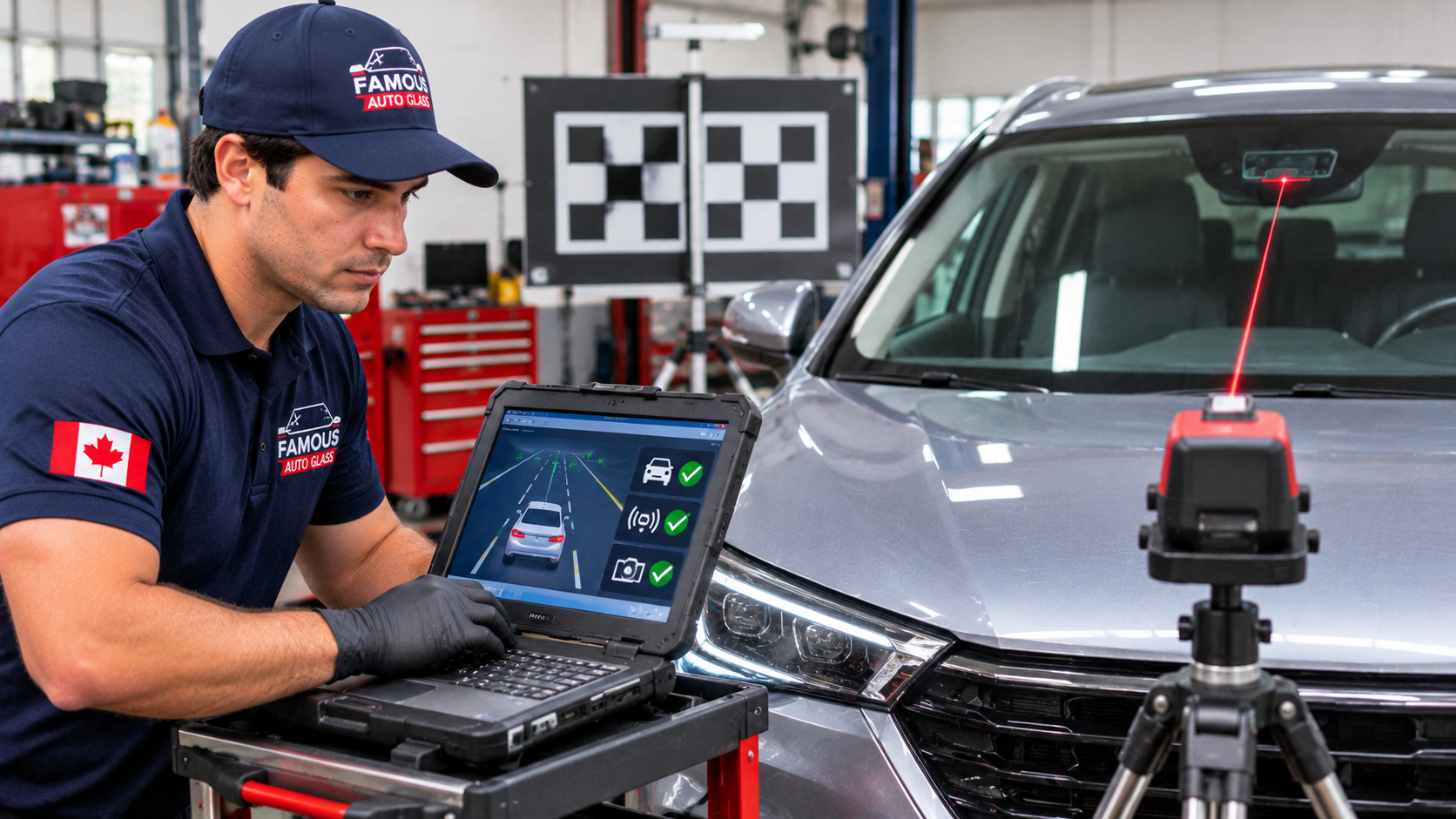
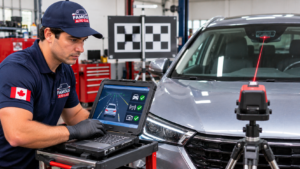
If your car has driver-assist features, the front camera lives behind the windshield. Swap the glass and that camera usually needs to be recalibrated so it “sees” the road correctly again. Calibration comes in two flavours: static (done indoors with targets) and dynamic (a controlled road drive), and some vehicles need both.
Here’s some good news for your wallet. A Belron Canada study found camera calibration works just as well on quality equivalent glass as on original-equipment glass, with little to no effect on features like forward automatic braking and lane departure warning. So you’ve got options.
What we need from you: whether your car has lane keep, collision warning, auto braking or adaptive cruise. If you’re not sure, the owner’s manual or the dash menu will tell you. Some calibrations need a controlled shop environment, while others work fine with our mobile auto glass service, so tell us early and we’ll point you to the right option.
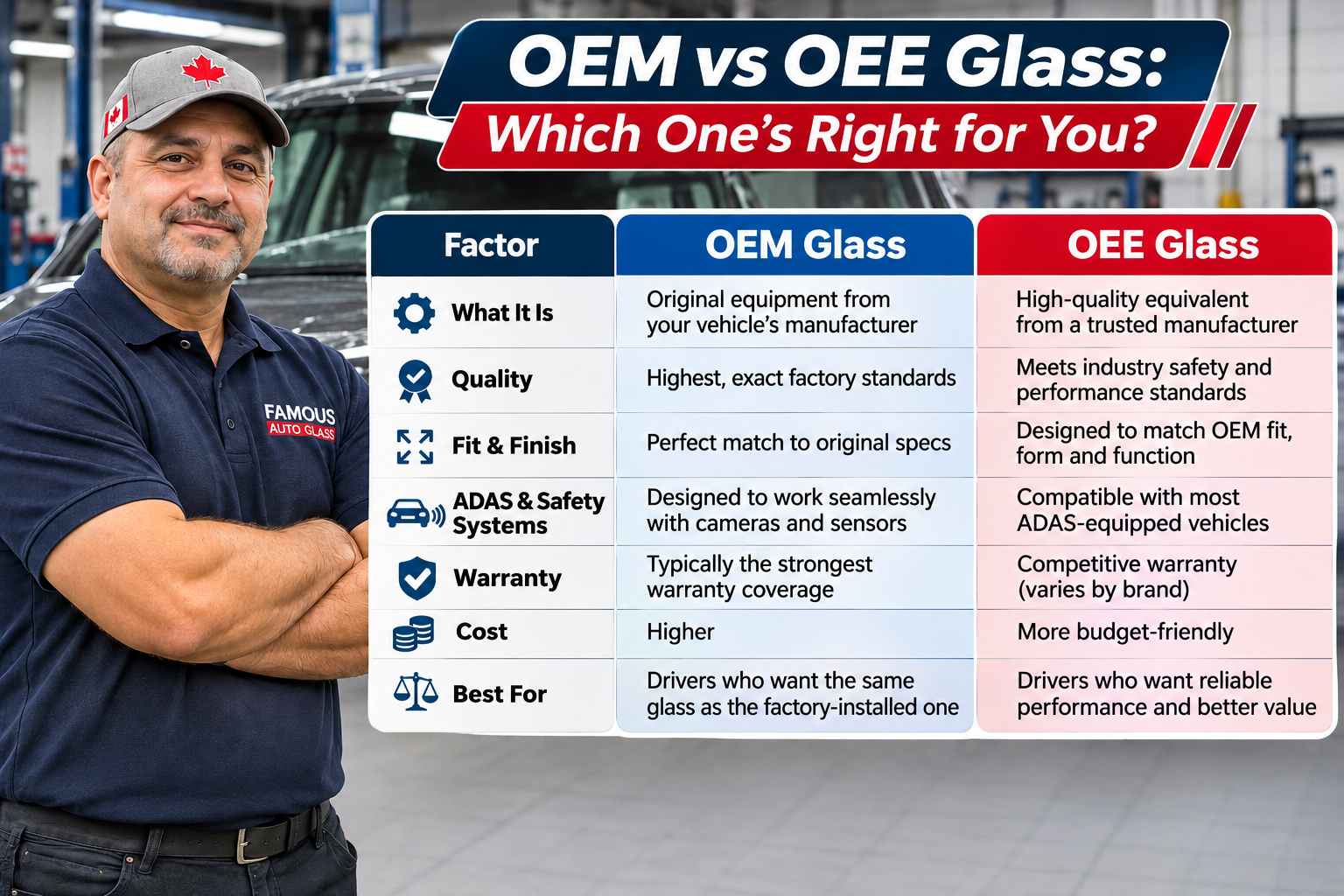
OEM vs OEE Glass: Which One’s Right for You?
You’ll hear two acronyms thrown around:
- OEM (original equipment manufacturer): Glass made by or for your carmaker, usually carrying their logo.
- OEE (original equipment equivalent): Glass made to match the original’s size, shape and performance, and built to meet Canadian safety standards.
Neither is automatically “better” for every situation. OEM can cost more, while quality OEE glass often does the job beautifully. If you’re leasing, or your insurer has specific requirements, check before you decide. Tell us your preference and we’ll quote both where available.
The Photo Checklist: Send This and You’re Sorted
Want the fastest, smoothest quote? Send us these:
- The VIN plate, clear and in focus
- A wide shot of the windshield from outside, and one from inside
- A close-up of the area behind the rear-view mirror (sensors, camera, patches)
- The small printed “bug” in the corner of the glass, which shows the manufacturer and approval markings
- The damage itself, so we can see whether it’s a repair or a replace
- Your plate number and insurer details, if you’re claiming
Six photos, two minutes, and you’ve saved yourself a wrong-glass saga.
It’s Not Just Windshields: Rear Glass, Door Glass and Mirrors
The same “details matter” rule applies across the whole car, which is handy to know if a break-in or a rogue hailstorm has taken out more than one pane.
Rear glass: Tell us the body style (sedan, hatch, wagon or SUV), whether there’s a defroster grid, a rear wiper hole, an antenna or privacy tint. For rear glass replacement, the VIN and a photo from outside usually do the trick.
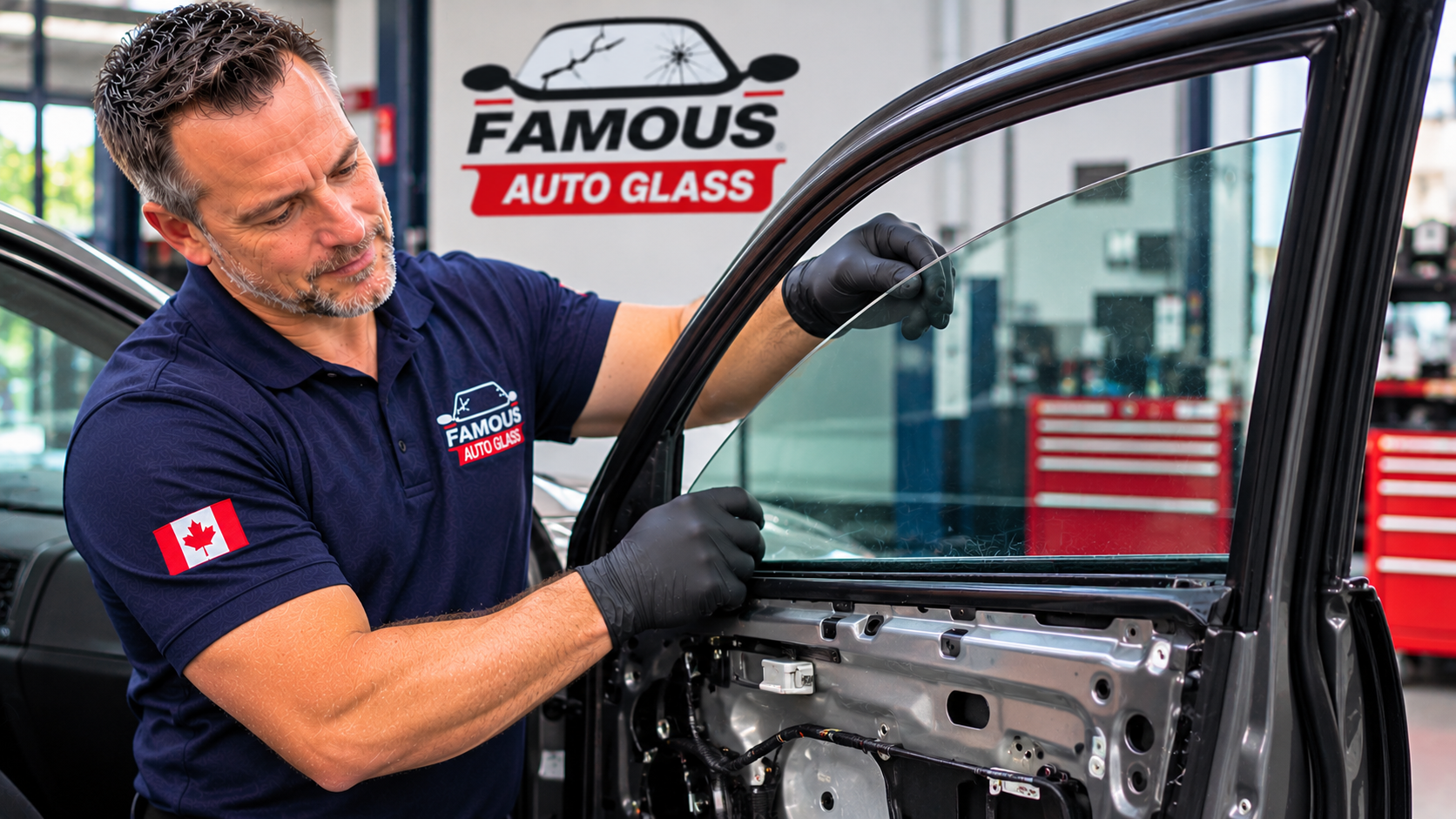
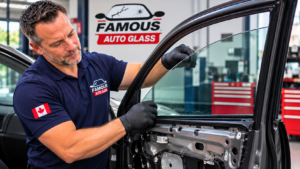
Door glass: Specify front or rear, driver or passenger side, and whether it’s framed or frameless. Acoustic side glass, tint and window-regulator condition all play a part in a proper door glass replacement.
Side mirrors: This one’s trickier than it looks. Heated mirrors, blind-spot indicators, power-fold motors, built-in turn signals and 360-degree cameras all change the part. If you need a side mirror replacement, list every feature you’ve got and send a photo of the mirror’s back if you can.
Mobile Replacement: Get It Right Before We Roll Up
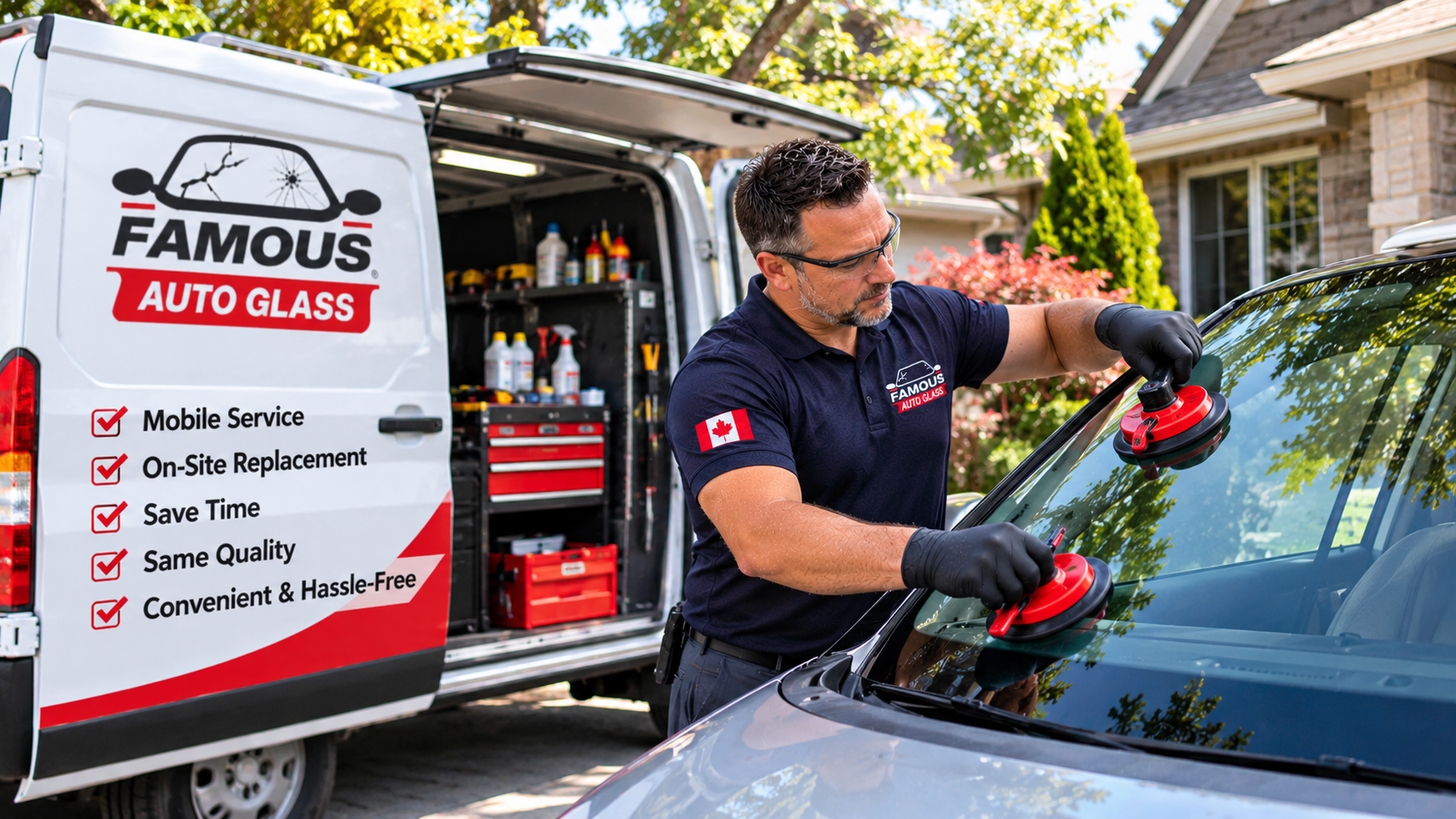
Mobile windshield replacement is brilliant. The technician comes to your driveway or workplace, and you get on with your day. But it only works smoothly when the glass is right before the van leaves. A wrong pane means a second trip, which defeats the purpose.
If you’re in the Greater Toronto Area, it’s worth knowing that drivers in Woodbridge and Vaughan deal with highway gravel, construction zones and wild winter swings, so chips and cracks happen fast. Share your details early, and we’ll line up the right glass and a time that suits. Cold weather can affect how adhesives cure, so we’ll also advise on timing and safe drive-away.
Before You Order Anything: Is It a Repair or a Replace?
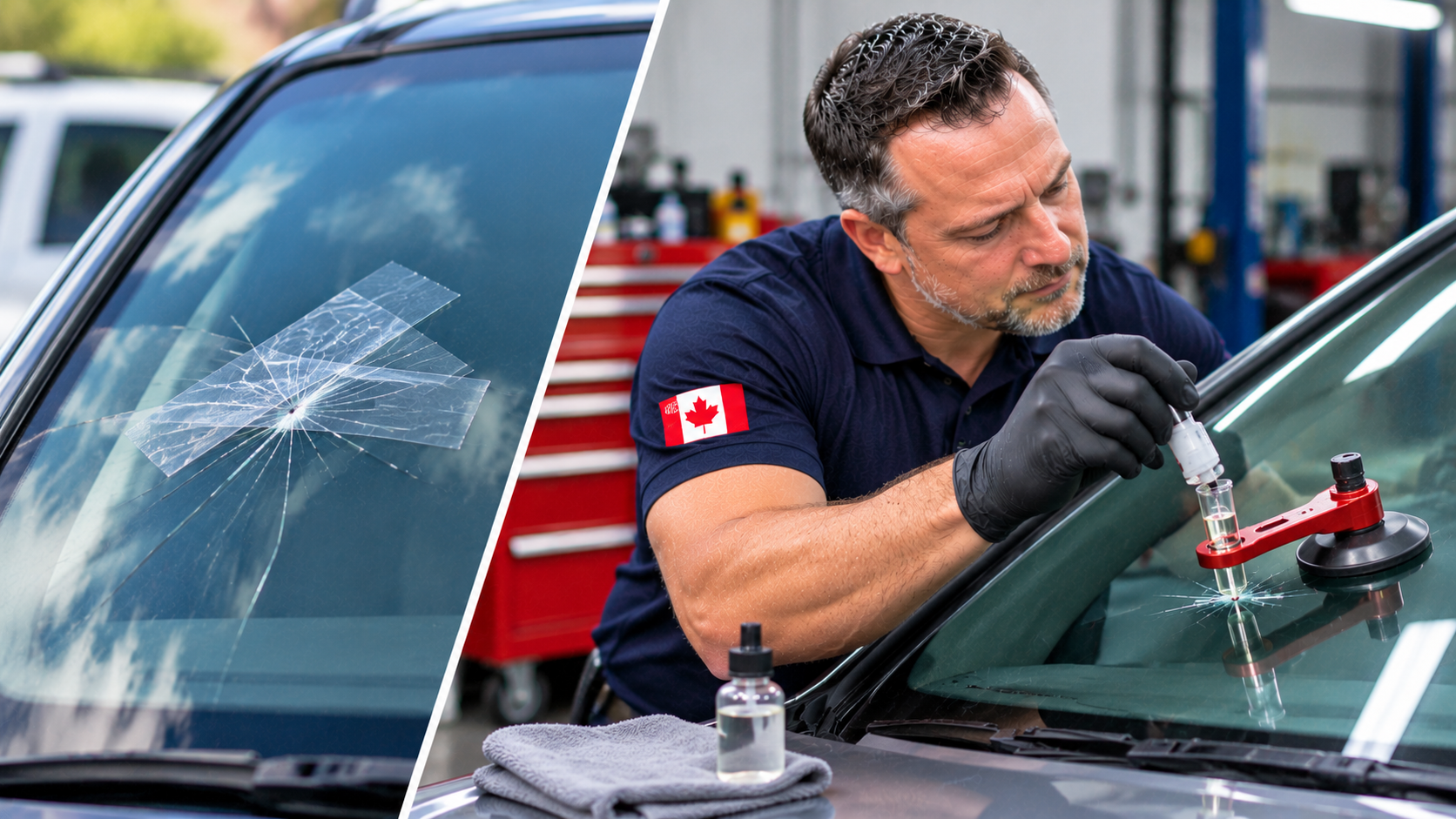
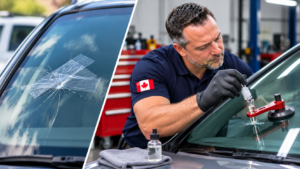
Plenty of drivers jump straight to “new windshield” when a small chip could be fixed in under an hour. As a general guide, a chip smaller than a loonie that isn’t in the driver’s direct line of sight or at the glass edge may be repairable. A long crack, damage at the edge or anything that blocks your view usually points to replacement.
If it’s a minor chip or short crack, windshield chip and crack repair is often quicker and cheaper, and it stops the damage spreading. Searching for windshield repair Richmond Hill? The same windshield repair Richmond Hill process applies: send a photo, and we’ll tell you honestly whether repair is an option. Often it saves you from ordering new glass at all.
Insurance: Have These Details Ready
Many comprehensive auto policies in Canada cover windshield damage, often subject to a deductible, though it varies by province and policy. Before you order, find your policy number, your insurer’s name and your deductible amount. Our team can walk you through our insurance claim support so the paperwork doesn’t become a second job. Have your insurer’s requirements on glass type or calibration handy too, because they can influence which part gets ordered.