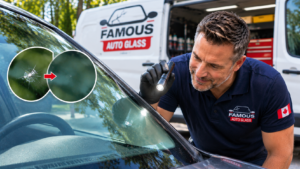
A crack is a different problem than a chip, even though the two often start out looking similar. Where a chip is a contained point of impact, a crack is already a line — and lines have a habit of getting longer. If you’ve noticed a hairline crack running across your windshield, the question isn’t just “can this be fixed,” it’s “how much time do I actually have before this decision gets made for me.”
This guide covers how technicians decide whether a windshield crack can still be repaired in Toronto, what pushes a crack into replacement territory, and why waiting tends to work against you more with cracks than with simple chips.
Key Takeaways
- Short cracks, away from the windshield’s edge and outside the driver’s direct line of sight, are often repairable — longer or edge-reaching cracks usually aren’t.
- Multiple cracks, or cracks that intersect, generally point toward replacement rather than repair.
- Temperature swings and road vibration are the two biggest reasons a repairable crack becomes an unrepairable one.
- A professional inspection is the only reliable way to know which category your specific crack falls into.
- Mobile windshield repair and replacement are both available across Toronto and the GTA, and many comprehensive insurance policies apply to either outcome.
Chip vs. Crack: Why the Distinction Matters
It’s worth being precise about terminology here, because the two types of damage are handled differently. A chip is localized — a small area where the glass surface has been struck and displaced, covered in our chip repair guide. A crack is a fracture line that extends across the glass, sometimes originating from an old chip that was never repaired, and sometimes appearing on its own after a hard impact, a temperature shock, or stress in the glass from a prior installation.
Cracks are generally held to a stricter standard than chips when it comes to repairability, mainly because a crack represents an active fracture line rather than a single point of damage — there’s more surface area for contamination and more structural weakness to manage.
When a Cracked Windshield Can Still Be Repaired
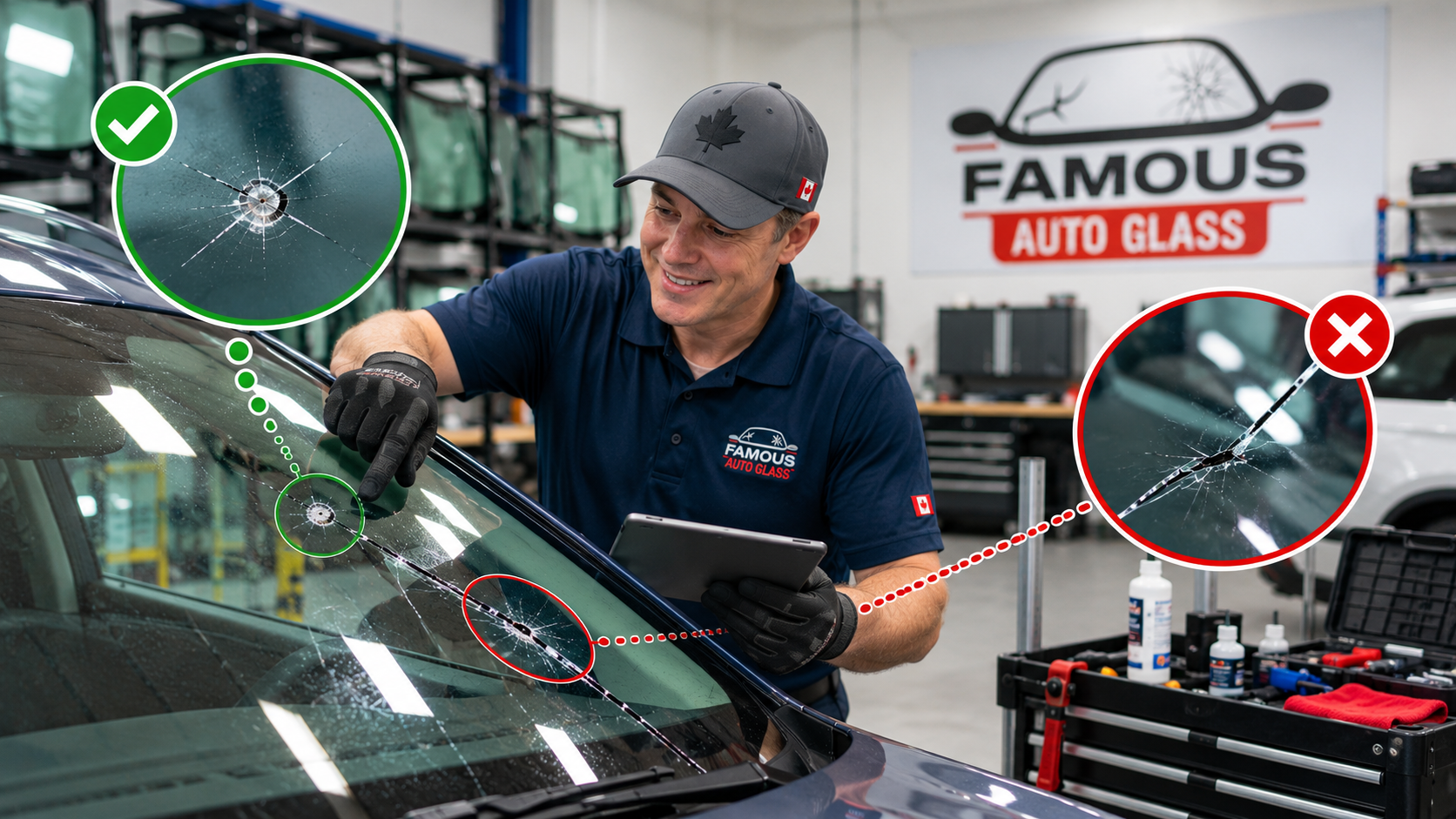
Repair is generally still on the table when a crack meets most of these conditions:
- Length — shorter cracks, often cited around the 6-inch mark or less, have meaningfully better odds of a lasting repair than longer ones. Beyond that length, resin can’t reliably restore enough of the glass’s structural integrity.
- Location — a crack that stays within the main body of the windshield, away from the edge, is a better candidate than one running toward it. The edge of the windshield carries more structural load, and cracks there tend to keep spreading even after a repair attempt.
- Line of sight — as with chips, damage sitting directly where the driver looks through the glass is treated more cautiously, since even a clean repair can leave slight visual distortion in exactly the wrong spot.
- Single crack, contained damage — one crack, without branching or intersecting fractures, is a more straightforward repair than a windshield with multiple cracks or a crack connected to several chips.
- Depth — if the fracture has compromised both layers of the laminated glass, repair isn’t realistic — that’s a full replacement.
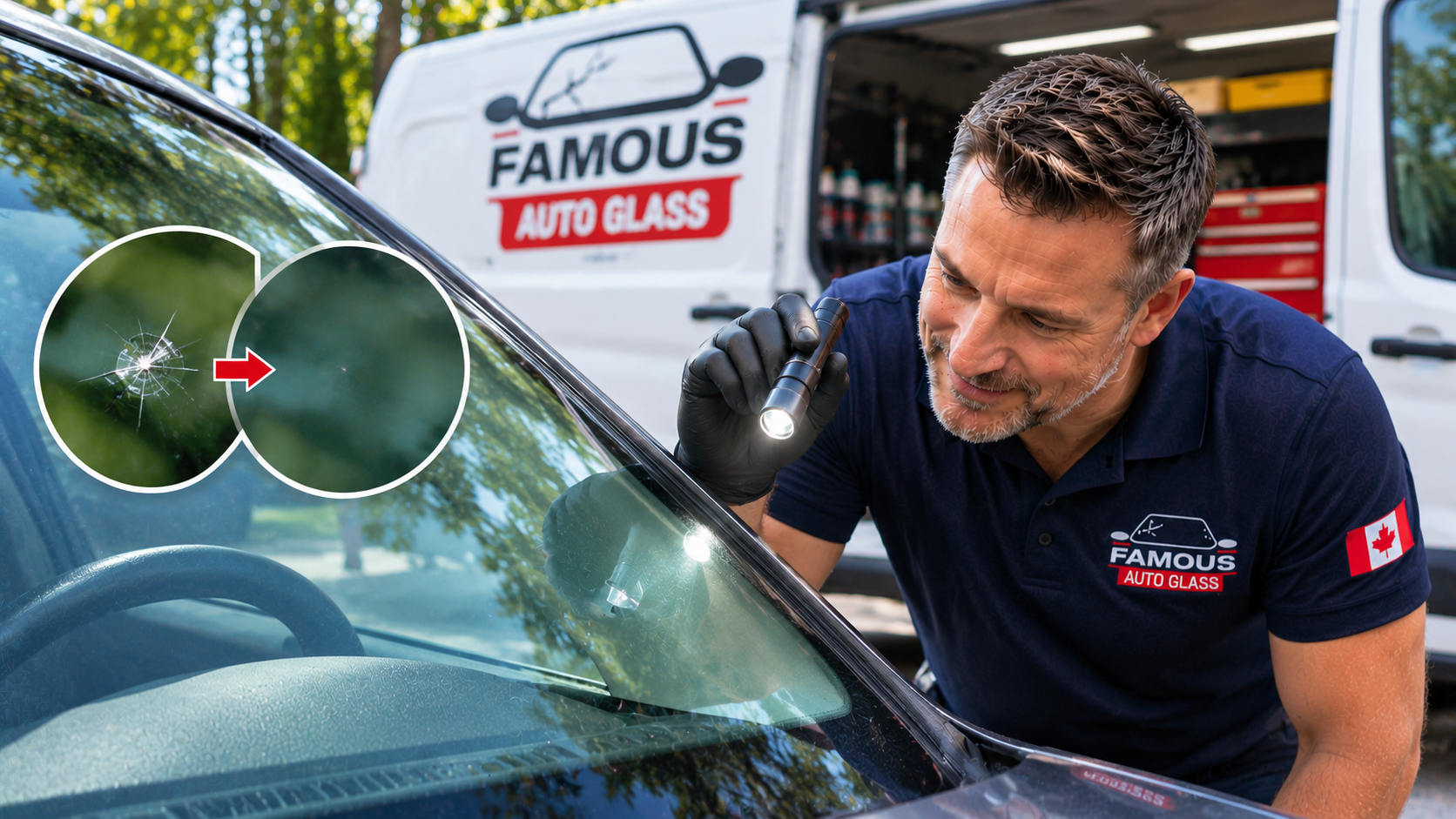
A technician needs to actually see the crack to confirm these factors. Length in particular is easy to misjudge — a hairline crack can look shorter than it is from a distance, especially if it’s caught the light at an angle.
Why Cracks Reaching the Edge Are Treated Differently
The edge of a windshield isn’t just where the glass happens to stop — it’s a structural boundary, bonded into the vehicle’s frame and playing a role in the glass’s overall rigidity. A crack that reaches that edge introduces stress at a point that’s already under load, which is why edge-reaching cracks are far more likely to keep growing regardless of repair attempts, and why most shops will recommend replacement once a crack gets there.
Why Windshield Cracks Spread — Sometimes Overnight
If you’ve ever noticed a small crack noticeably longer the next morning, there’s a reason for that, and it isn’t bad luck. A few factors compound quickly:
- Temperature changes. Glass expands and contracts with heat and cold. A cold windshield hit with hot defrost air, or a car left outside overnight in a Toronto winter, puts real stress right at the point of an existing crack.
- Road vibration. Constant micro-vibration from driving — especially on rougher stretches of road — flexes the glass slightly with every bump, which a crack transfers stress through far more easily than intact glass.
- Impact stress. Hitting a pothole or a speed bump hard can be enough to extend an existing crack even without a new impact on the glass itself.
- Pressure changes. Rolling windows up and down, or the pressure shift from closing doors on a sealed cabin, adds small amounts of stress that a crack, unlike solid glass, doesn’t absorb evenly.
None of this means a crack will definitely spread by tomorrow. But it does mean that “it’s small right now” isn’t a guarantee it stays that way, and it’s the main reason technicians generally recommend getting cracked glass looked at sooner rather than later.
Multiple Cracks and Why They Change the Calculation
A single, short, well-placed crack is a reasonably straightforward repair decision. Multiple cracks — whether from one impact that fractured in several directions, or several separate incidents over time — are a different situation. Each crack is a potential point of further spreading, and where cracks intersect or run close together, the glass has effectively been weakened in more than one place at once. In most cases, multiple cracks point toward replacement rather than trying to repair each one individually, since the overall structural integrity of the glass is harder to restore piece by piece.
When Replacement Is the Safer Call
Replacement becomes the recommended path when a crack:
- Exceeds the length generally considered repairable
- Reaches or comes close to the windshield’s edge
- Runs directly through the driver’s line of sight
- Has spread noticeably since it first appeared
- Is one of several cracks or connects to other damage
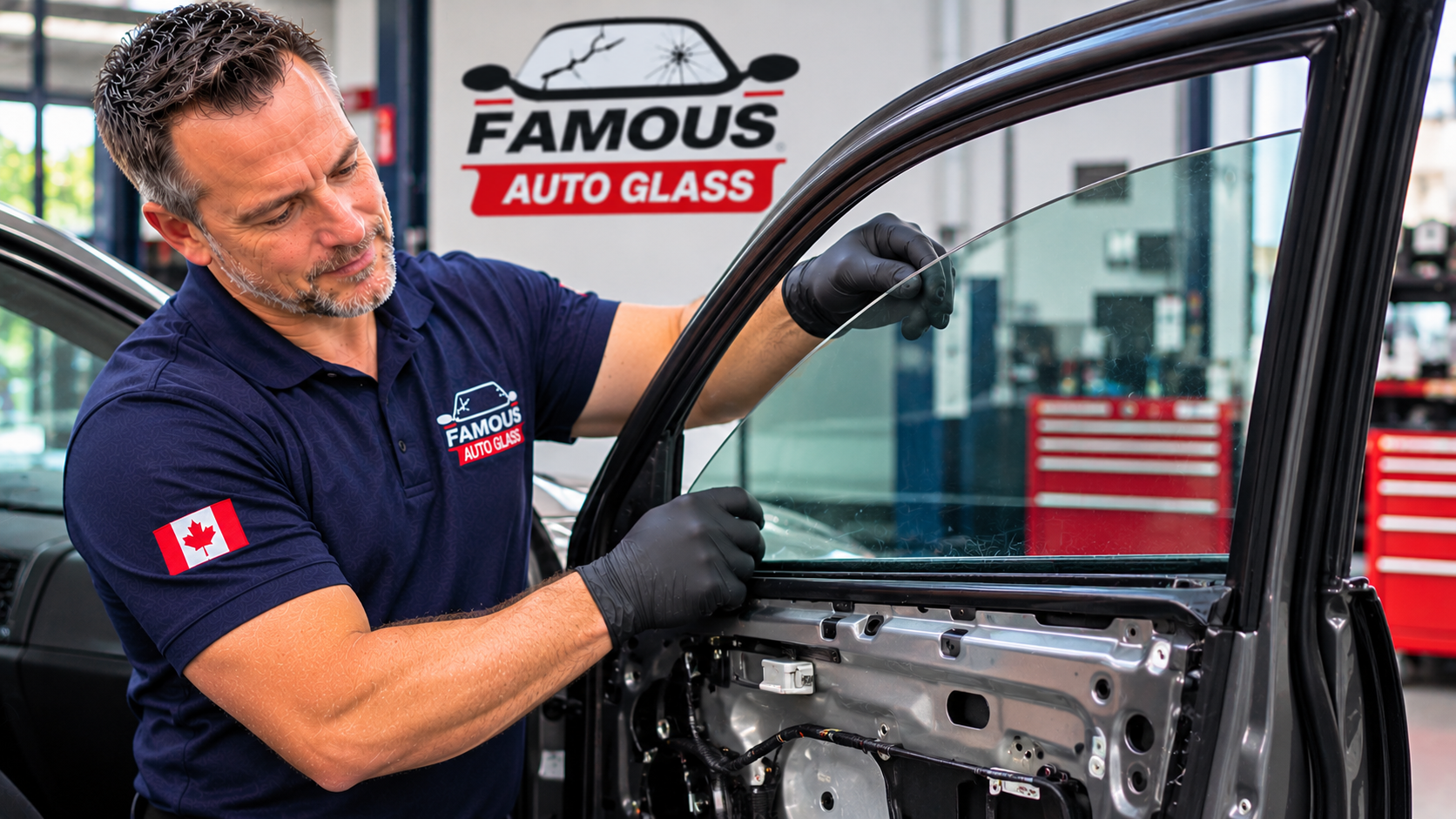
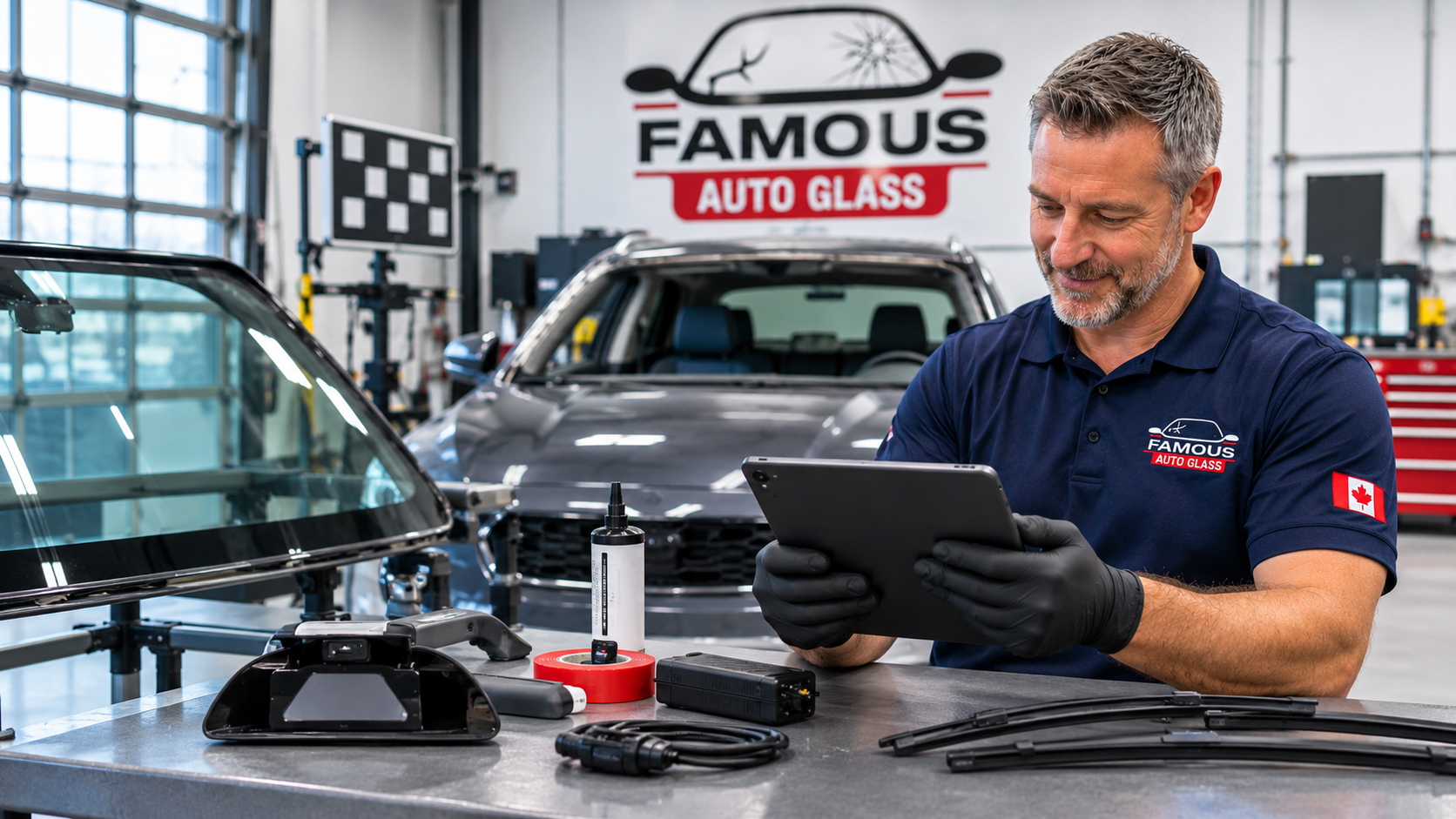
In these situations, a full windshield replacement — removing the damaged glass entirely and installing new laminated safety glass — is the safer option, even though it’s a larger job than a repair. On many vehicles built since around 2016–2018, replacement also involves recalibrating ADAS-related cameras and sensors mounted near the windshield, since those systems depend on the glass being in exactly the right position.
Why a Professional Inspection Matters More With Cracks
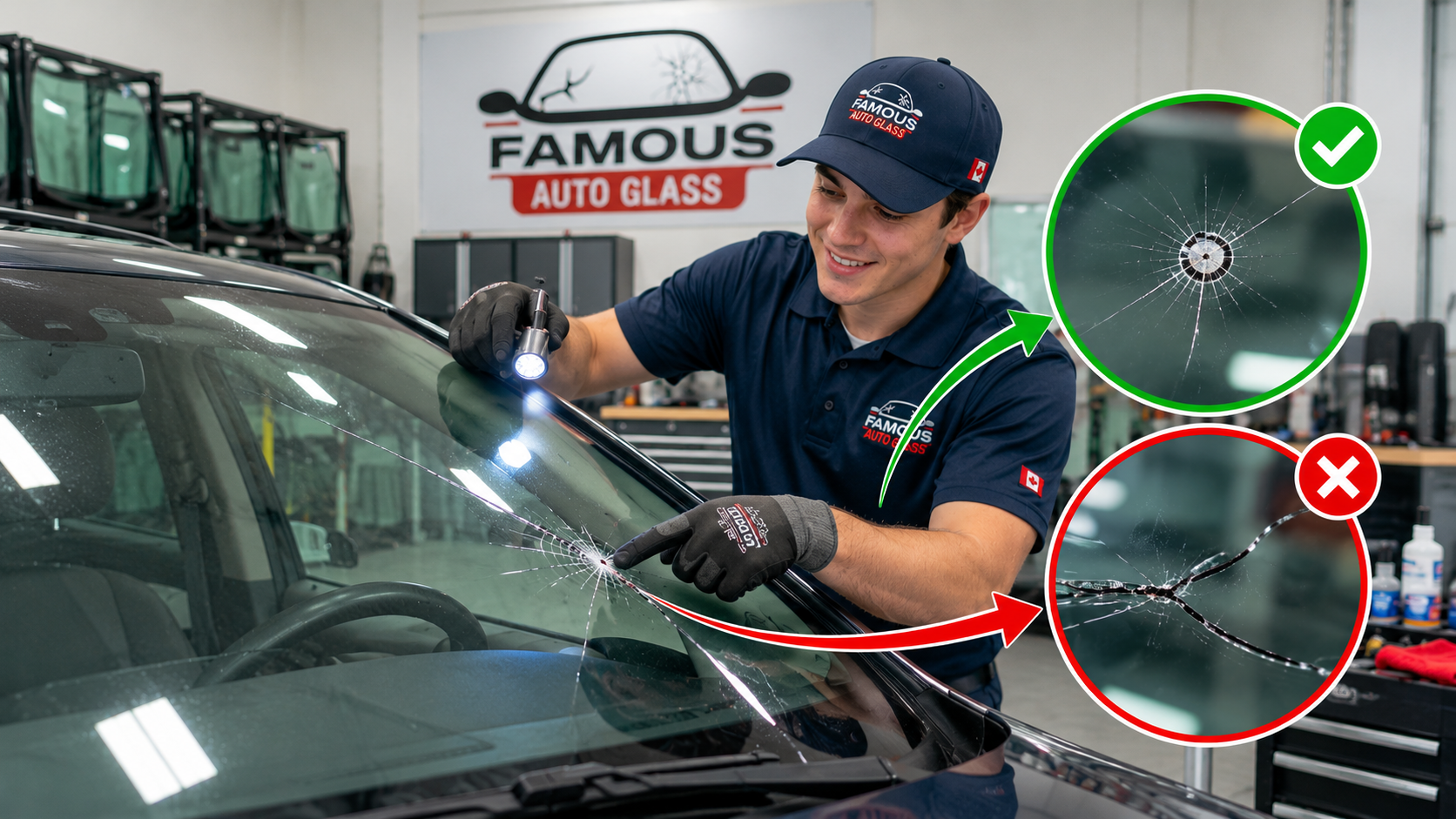
Because the stakes with a crack are somewhat higher than with a simple chip — length and edge-proximity are harder to eyeball accurately, and a crack that looks manageable can be closer to the edge than it appears — an in-person inspection carries more weight here. A technician measuring the actual crack, checking how close it runs to the edge, and confirming whether it passes through your line of sight is giving you a real answer rather than a guess based on a photo.
Cost and Insurance Considerations
Where a crack falls — repairable or not — changes the cost picture significantly. Resin repair for a shorter, qualifying crack falls in a similar range to chip repair, generally $50–$150 depending on length and complexity. Full windshield replacement costs considerably more and varies by vehicle type, with published Toronto-area figures typically running from roughly $150 for smaller vehicles up toward $1,200 or more for luxury or heavily-sensored models, plus an additional $150–$400 if ADAS recalibration is required.
On the insurance side, many Ontario comprehensive policies treat repair and replacement differently: crack repair is often covered with little or no deductible, while full replacement typically applies your standard comprehensive deductible (commonly $250–$500, though this varies by policy). It’s worth confirming your specific coverage — or having a shop verify it for you — before deciding how to proceed. You can find more detail on how this process works on our insurance claim support page.
How Mobile Service Handles Both Repair and Replacement
Whether your crack turns out to be repairable or needs a full replacement, mobile auto glass service covers both outcomes. A technician can inspect the damage at your home, workplace, or a parking garage anywhere in Toronto or the GTA, confirm which category the crack falls into, and either repair it on the spot or schedule a mobile replacement — using the same materials and process as an in-shop appointment.
Given how quickly cracks can extend, that ability to get an inspection scheduled quickly, rather than waiting days for a shop appointment, is often the difference between still qualifying for repair and needing a full replacement by the time someone gets to it.