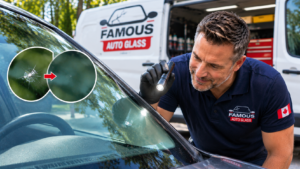
A windshield is a windshield, until it isn’t. On a well-equipped BMW, Mercedes-Benz, or Audi, that piece of glass might be doing considerably more work than keeping wind and weather out — carrying a heads-up display, housing a rain sensor and multiple camera modules, built with an acoustic interlayer for cabin quiet, or embedded with a heating element around the wiper park area. None of that is true of every luxury vehicle, and plenty of standard vehicles now carry some of these same features too. But the frequency and combination of these technologies tends to be higher on luxury and European models, and that changes how replacement needs to be approached.
This is a look at what actually differs when a luxury or European vehicle needs a new windshield — not as a blanket rule, but as a set of considerations that vary by the specific vehicle in front of you.
Key Takeaways
- What changes with luxury and European vehicles isn’t the installation process itself, but the number of technology features that might be built into or mounted near the glass.
- Not every luxury vehicle has a heads-up display, ADAS calibration requirement, or acoustic glass — it depends on the specific model, year, and trim.
- Glass sourcing can take longer for less common European models, since OEM parts aren’t always stocked as widely as high-volume domestic vehicles.
- The cheapest available quote for a luxury vehicle sometimes reflects a different glass specification than the factory original — worth confirming before booking.
- Insurance considerations are largely the same as for any vehicle, though replacement costs and any required calibration are typically higher on well-equipped models.
Why “Luxury” Isn’t Really the Variable — Technology Is
It’s worth reframing the question slightly. The reason luxury and European vehicle windshields sometimes involve more considerations isn’t the badge on the hood — it’s the technology built into or around the glass, which happens to appear more often, and in more combinations, on these vehicles. A base-trim compact car and a loaded German sedan can both have ADAS cameras; a luxury vehicle without any of these features is replaced much like any standard windshield. The honest answer to “does my luxury car need special windshield treatment” is: it depends entirely on your specific vehicle’s configuration, not on its price bracket.
That said, several features do show up disproportionately often on luxury and European models, and each one changes part of the replacement process when present.
Head-Up Display (HUD) Windshields
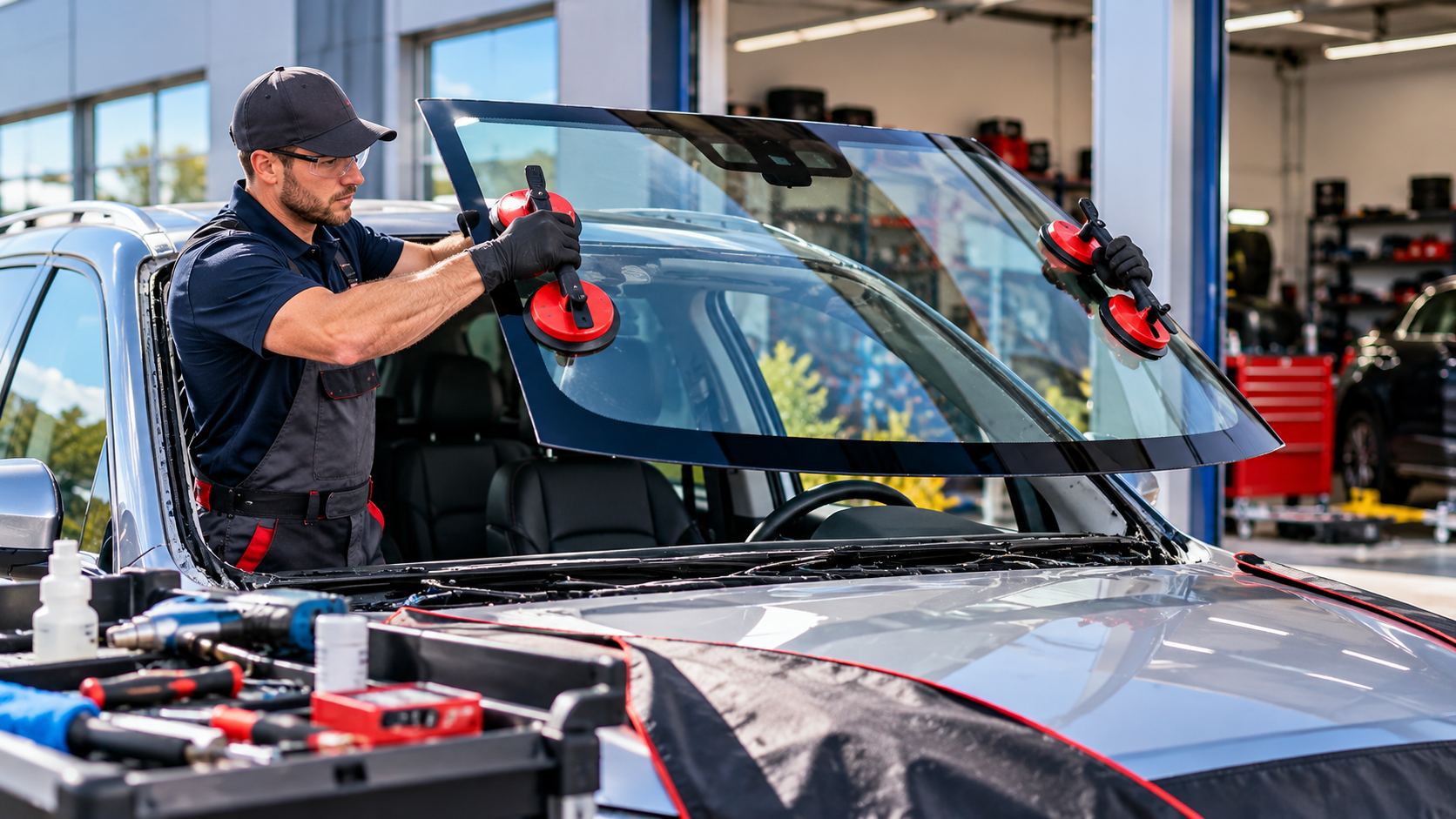
Some vehicles project speed, navigation, or alert information directly onto the windshield in the driver’s line of sight. This requires a windshield with a specific interlayer designed to prevent the projected image from doubling or distorting — a standard aftermarket windshield without that interlayer generally won’t display a HUD image correctly, even if it fits the car physically. If your vehicle has this feature, confirming the replacement glass is HUD-compatible before installation is essential, not optional.
Acoustic Glass for Noise Reduction
Many luxury and European vehicles use windshields with an acoustic interlayer — an additional layer within the laminated glass designed specifically to dampen road and wind noise. This is a genuine, noticeable difference in cabin quietness compared to standard laminated glass, and a non-acoustic replacement windshield on a vehicle originally equipped with acoustic glass can result in a noticeably louder cabin, even though the vehicle still passes every safety standard.
Rain and Light Sensors
Automatic wipers and automatic headlights on many vehicles rely on sensors mounted at the top of the windshield, usually near the rearview mirror mount. These sensors need to be properly transferred to or compatible with the replacement glass, and reseated correctly so they continue reading rain and ambient light accurately.
Camera Zones and ADAS Calibration
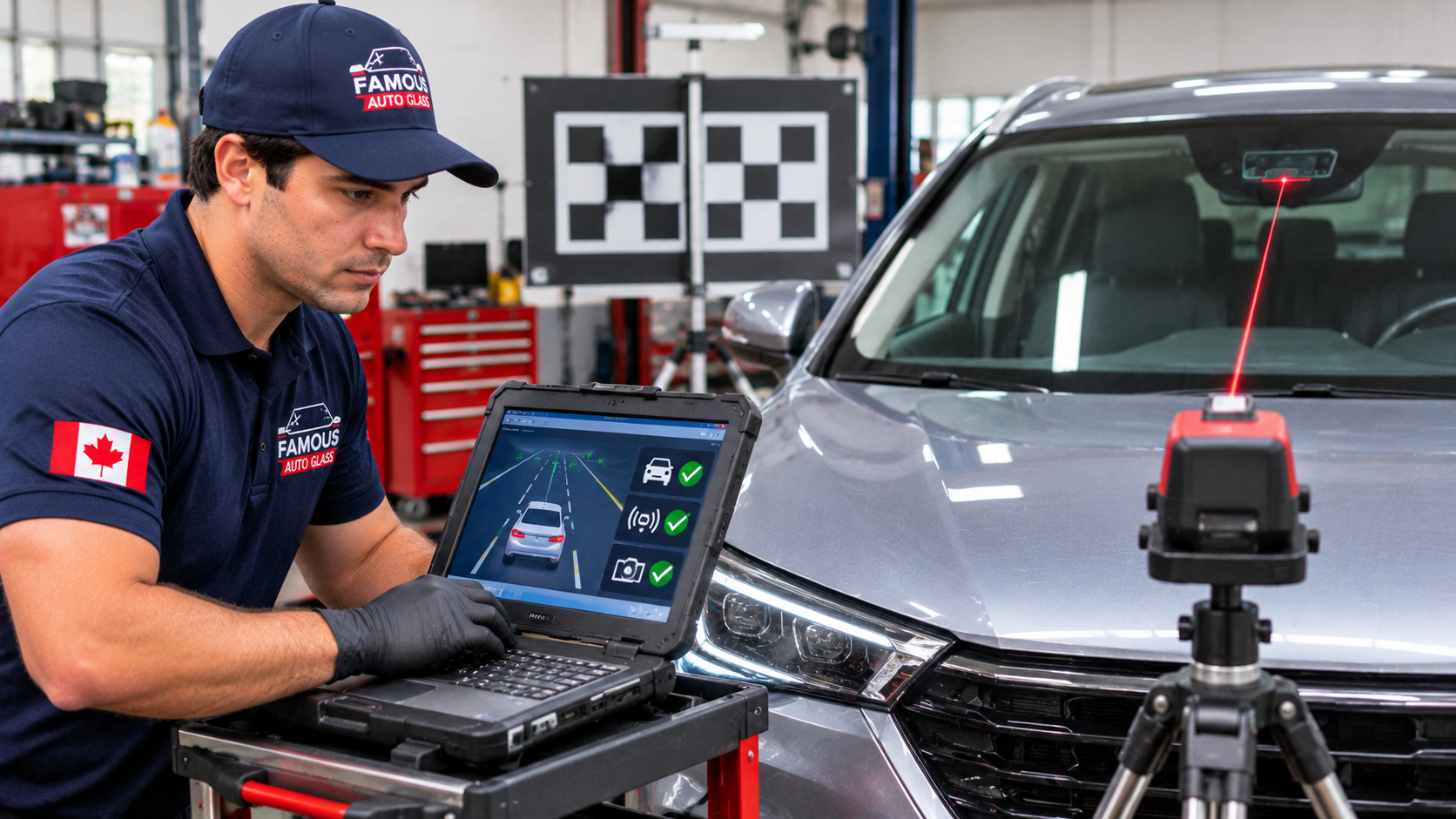
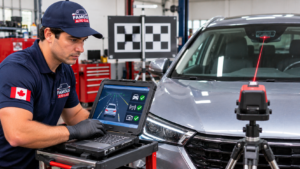
Vehicles equipped with lane departure warning, forward collision warning, automatic emergency braking, or adaptive cruise control typically house the relevant camera in a dedicated bracket near the top-center of the windshield. When these systems are present, the camera generally needs to be recalibrated after replacement so it continues to read lane markings and following distances accurately — a standard part of a proper installation on an equipped vehicle, not an add-on service. This isn’t unique to luxury vehicles; plenty of mainstream vehicles from recent model years carry the same systems. What’s worth noting on the luxury and European side is that these systems tend to appear as standard equipment more often, and in fuller combinations, on higher trim levels. Our precision windshield replacement page covers how calibration fits into the overall installation process.
Heating Elements and Wiper Park Areas
Some vehicles include a heated zone at the base of the windshield where the wipers rest, designed to prevent them from freezing to the glass in cold weather — a genuinely useful feature during a Toronto winter. This requires the wiring connection to be properly matched and reconnected during replacement, similar to how a rear defroster needs reconnection during rear glass work.
Why Glass Availability Can Take Longer
High-volume vehicles — think a Honda Civic or a Toyota Corolla — have windshields that are stocked widely by glass suppliers because so many are sold and replaced. Less common European models, older luxury vehicles, or lower-production variants can have windshields that need to be specially ordered, which affects how quickly a same-day or next-day appointment is realistic. This isn’t a knock on the vehicle or the glass supply chain — it’s simply a function of how many of that specific windshield configuration are moving through the market at any given time. A shop that’s upfront about sourcing time, rather than promising same-day service on every vehicle without checking, is giving you a more honest picture.
Why the Cheapest Quote Isn’t Always the Same Glass
This is worth being direct about. When shopping quotes for a luxury or European vehicle windshield, a noticeably cheaper price sometimes reflects aftermarket glass without acoustic layering, without HUD compatibility, or without the correct sensor bracket — glass that fits the car and meets basic safety standards, but doesn’t replicate every feature the factory windshield had. That’s not automatically a problem if you’re not using those features, but it is a problem if you expect your HUD to display correctly, or expect the same cabin quietness you had before, and the replacement glass wasn’t specified to include those features. Asking directly whether the quoted glass matches your vehicle’s original specification — HUD compatibility, acoustic layer, sensor provisions — is a reasonable question for any shop to answer clearly before you book.
Examples Across Common Luxury and European Brands
A few points worth noting, without generalizing across an entire brand:
- BMW and Mercedes-Benz models frequently include HUD, ADAS cameras, and acoustic glass on higher trims, though base trims of the same model may include fewer of these features.
- Audi vehicles commonly integrate similar camera-based driver assistance systems, with specifics varying by model and year.
- Volvo has built a reputation around driver-assistance technology, and many models include camera systems as standard rather than optional equipment.
- Porsche windshields, particularly on lower-volume models, can involve longer sourcing times simply due to production volume.
- Tesla vehicles use windshield designs and mounting approaches that differ somewhat from traditional internal-combustion vehicles, given their different sensor placement and, on some models, distinctive glass shapes.
None of this should be read as a claim that every vehicle from these brands requires the same treatment — trim, year, and options package determine the actual requirements for any individual vehicle, and the only reliable way to know is checking your specific vehicle’s configuration.
What Affects Cost on Luxury and European Windshield Replacement
The cost drivers here follow the same logic as any windshield, just often stacked more heavily:
- Base glass cost, which is generally higher for lower-volume or specialty windshields
- HUD compatibility, when applicable, which requires a specific glass specification
- Acoustic interlayer, when the original glass included one
- ADAS calibration, on equipped vehicles
- OEM vs. OEM-equivalent glass, with OEM typically costing more but matching factory specifications exactly
- Sourcing and availability, which can add cost for less common models
Published cost ranges across the auto glass industry in Toronto have generally placed luxury, European, or heavily-sensored vehicle windshield replacement somewhere in the $600 to $1,200-plus range, compared to roughly $200 to $600 for standard vehicles — figures broadly consistent with what’s discussed on our windshield replacement cost page. Where any specific vehicle actually falls within or outside that range depends on its exact configuration.
Insurance Considerations
Comprehensive auto insurance coverage in Ontario applies to luxury and European vehicles the same way it applies to any other vehicle — covering non-collision glass damage subject to your deductible. What typically differs is the dollar amount of the claim itself, given higher glass and calibration costs, and in some cases whether your policy specifies OEM glass or allows OEM-equivalent alternatives for higher-value vehicles. That’s worth confirming directly with your insurer or through insurance claim support, since policy wording on glass specification can vary.
Why Precision Installation Matters Even More Here
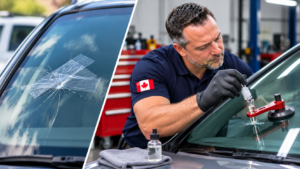
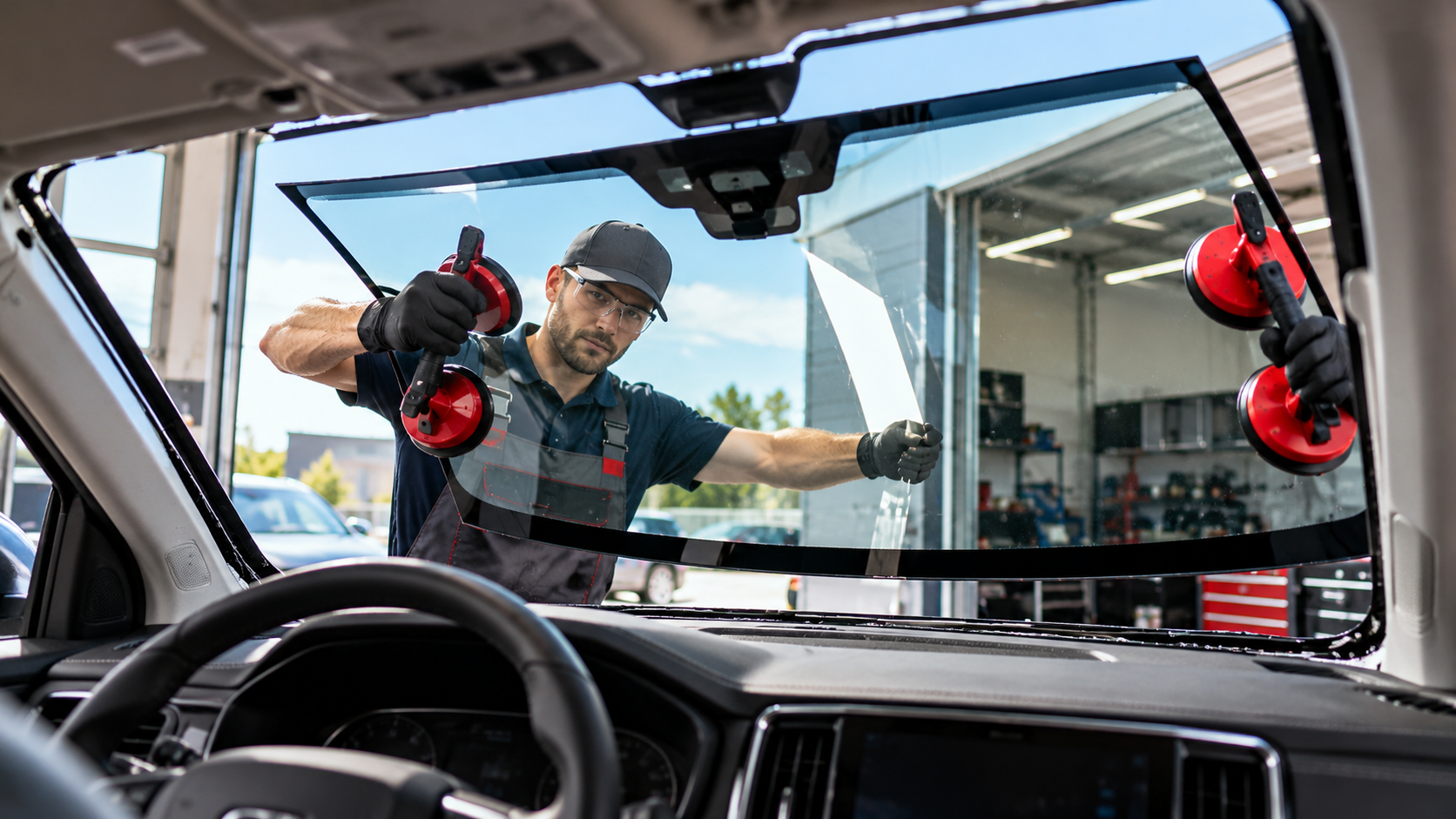
A slightly imperfect windshield installation is a problem on any vehicle, but on a windshield carrying HUD projection, multiple camera systems, and acoustic layering, even small installation errors can affect more than one system at once — a HUD image that doesn’t sit right, a camera that isn’t calibrated to spec, or a seal that doesn’t fully preserve the acoustic benefit of the glass. This is a case where the difference between a rushed installation and a properly done one is more likely to show up in daily use, not just in a warranty claim down the line.