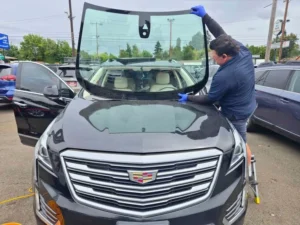
Windshield repair vs replace decisions depend on the size, depth, and location of the damage, as well as modern vehicle safety requirements. Windshield repair is suitable for small chips and short cracks that do not obstruct visibility, while windshield replacement is necessary for large cracks, edge damage, or structural compromise. Understanding the difference between windshield repair vs replacement helps prevent safety risks, unnecessary costs, and repeat damage, and if the damage ties into an insurance claim, it’s worth checking whether it falls under the 2026 settlement coverage for certain vehicle brands.
A windshield is not just a piece of glass, it is a structural safety component that supports roof strength and ensures proper airbag deployment during a collision.
According to safety guidance from Transport Canada, maintaining clear visibility and intact vehicle structure is essential for road safety. Even minor damage can affect how the windshield performs in an accident, which is why the decision between repair vs replace windshield damage should never be delayed. Beyond safety, that decision also carries a resale value impact buyers and appraisers notice immediately.
Understanding Windshield Repair vs Replacement
The difference between windshield repair vs replacement comes down to structural integrity and damage severity.
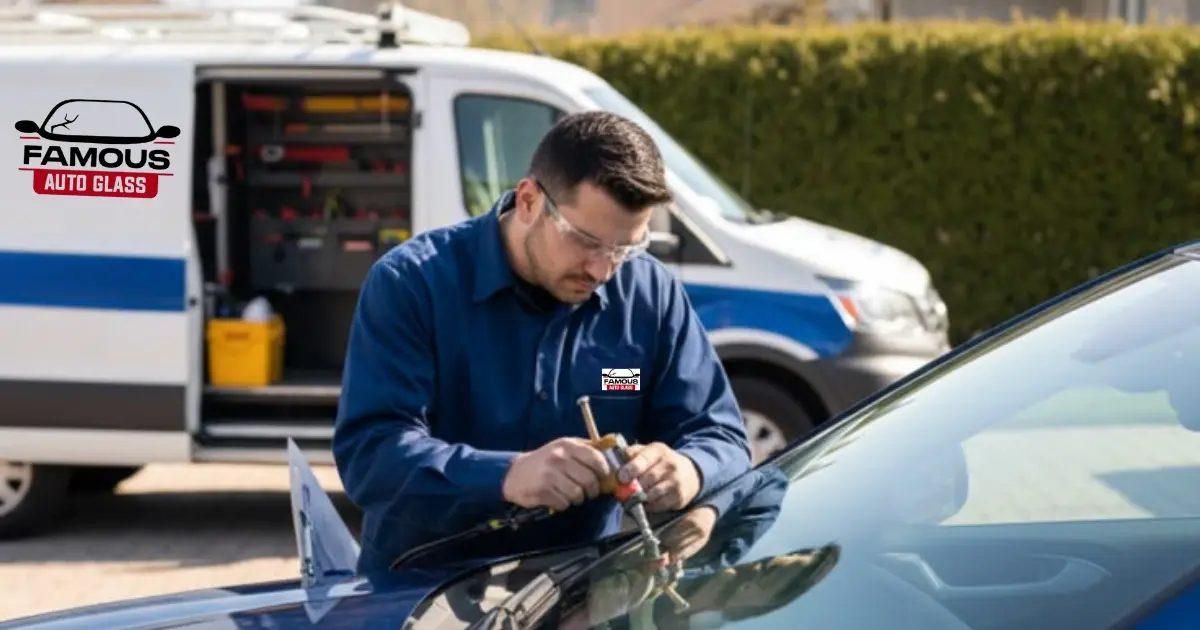
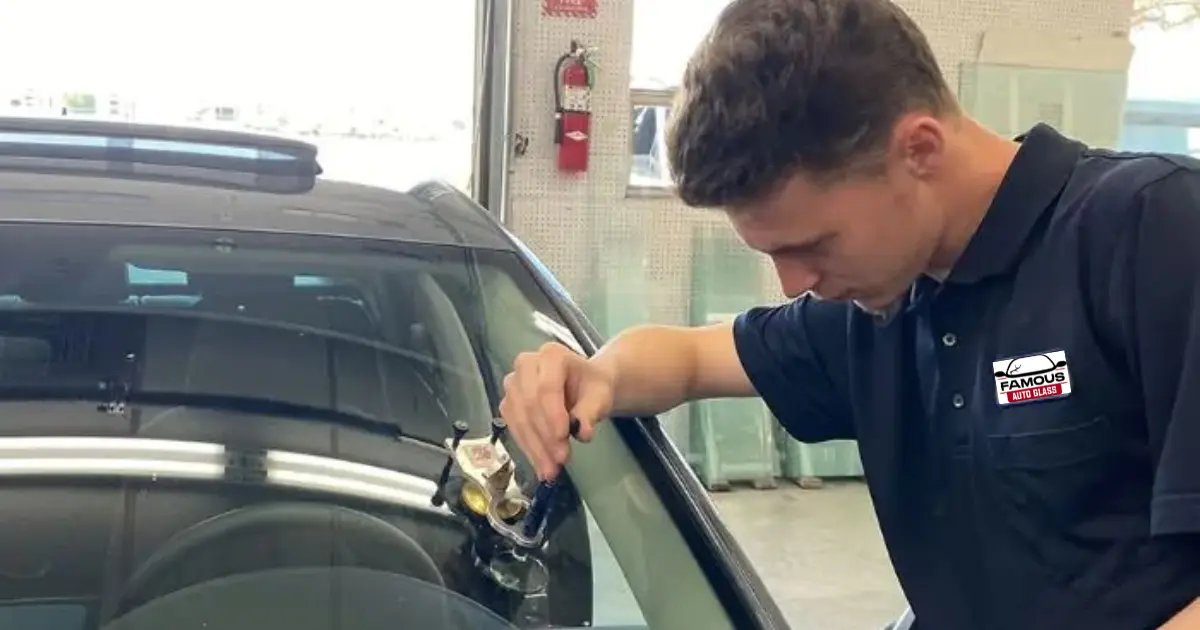
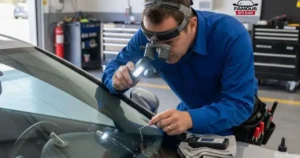
Windshield repair restores small areas of damage using resin that bonds the glass layers together. It is designed to stop cracks from spreading and restore clarity.
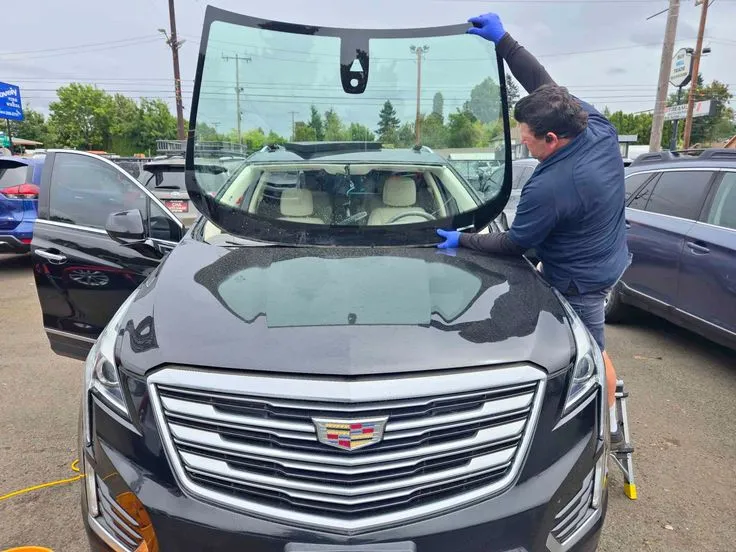
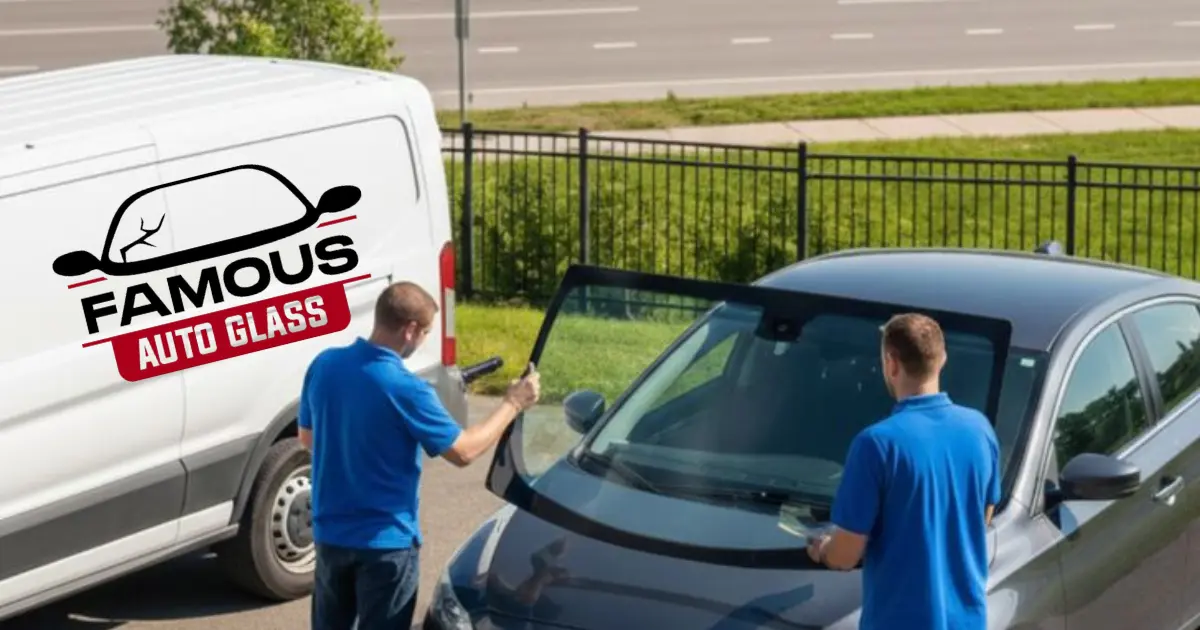
Windshield replacement involves removing the entire windshield and installing a new OEM or equivalent unit when the glass can no longer safely support the vehicle’s structure.
Modern vehicles add another layer to this decision. Advanced driver assistance systems (ADAS), such as lane departure warning and automatic emergency braking, often require recalibration after a replacement, making the process more technical than before.
When Windshield Repair Is the Right Choice
Windshield crack repair vs replace decisions often start with size and location. Repair is effective only when the damage is limited and stable.
Windshield repair is typically suitable when:
- The chip is smaller than a coin (around 1 inch or less)
- The crack is shorter than 6 inches
- Damage is not directly in the driver’s line of sight
- The crack has not reached the edge of the windshield
- Only the outer layer of glass is affected
A study referenced by NHTSA (National Highway Traffic Safety Administration) highlights that laminated windshields are designed to hold together even after minor damage, but spreading cracks reduce their ability to protect passengers in a rollover crash.
Repair is commonly used for:
- Stone chips
- Bullseye cracks
- Star-shaped fractures
- Small surface cracks
Benefits of Repair
Repair is often the preferred solution when safe because:
- It is fast (often under 45 minutes)
- It prevents cracks from spreading
- It maintains the original factory seal
- It costs significantly less than replacement
- It reduces waste and environmental impact
However, repair does not restore glass to perfect condition. A faint mark may remain visible depending on severity.
For fast chip and crack fixes, trusted windshield repair Toronto service ensures same-day damage control before cracks spread.
When Windshield Replacement Is Necessary
Not all damage qualifies for repair. In many cases, windshield replacement vs repair becomes the only safe option.
Replacement is required when:
- Crack exceeds 6 inches
- Damage reaches the windshield edge
- Visibility in the driver’s line of sight is affected
- Inner glass layer is damaged
- Multiple cracks intersect
- Structural integrity is weakened
- ADAS cameras require recalibration after impact
Once a crack reaches the edge of the windshield, the entire structural balance is compromised. Even if it looks stable, vibration from driving can cause sudden spreading.
When damage goes beyond repair limits, a professional windshield replacement service restores full safety and visibility.
Why Replacement Is Sometimes the Only Safe Option
A windshield contributes up to 30% of a vehicle’s structural strength, and up to 60% in rollover protection according to automotive safety research widely referenced in Wikipedia’s windshield safety overview.
If replacement is delayed in high-risk cases:
- Cracks expand rapidly due to temperature changes
- Airbag deployment may become misaligned
- Visibility distortion increases
- Structural support weakens in collisions
Replacement restores full safety performance but comes at a higher cost and longer service time.
Common Types of Windshield Damage
Understanding damage types helps determine repair vs replace windshield decisions more accurately.
1. Chip Damage
Small impact marks caused by gravel or debris. Usually repairable if caught early.
2. Bullseye Crack
Circular damage pattern with a central impact point. Often repairable.
3. Star Crack
Radiating cracks from a central point. Repair depends on size.
4. Combination Break
Multiple patterns combined. Often borderline cases.
5. Linear Crack
Straight crack line. More likely to require replacement.
6. Edge Crack
Cracks that reach the windshield border. Almost always require replacement.
Windshield Repair vs Replacement Cost Comparison
Cost is one of the biggest factors in decision-making, but it should never override safety.
| Service Type | Average Cost Range | Time Required | Outcome |
| Chip Repair | $60 – $150 | 20–45 min | Stops crack spread |
| Small Crack Repair | $80 – $180 | 30–60 min | Partial restoration |
| Windshield Replacement | $300 – $1000+ | 1–3 hours | Full structural reset |
| ADAS Calibration (if needed) | $150 – $350 | Extra time | Safety system reset |
Repair is always cheaper, but replacement is often unavoidable for safety-critical damage.
Key Factors That Decide Repair vs Replace
1. Size of Damage
Smaller damage = repair. Larger damage = replacement.
2. Location of Damage
Damage in the driver’s viewing area reduces repair suitability.
3. Depth of Crack
If damage reaches inner glass layer, replacement is needed.
4. Speed of Spread
Active spreading cracks indicate instability.
5. Vehicle Technology
Modern vehicles with ADAS often require replacement-specific calibration.
Step-by-Step Decision Guide
A practical way to evaluate windshield repair vs replacement:
- Check size of chip or crack
- Identify location on windshield
- Look for spreading over time
- Check if crack touches the edge
- Inspect visibility impact while driving
- Consider vehicle safety systems
- Decide repair or replacement based on safety priority
If more than one risk factor exists, replacement is usually the safer choice.
Insurance Coverage and Cost Relief
Many drivers are surprised to learn that windshield repair is often fully covered under comprehensive auto insurance.
In many regions, insurers encourage repair over replacement because it:
- Reduces claim costs
- Prevents full glass replacement claims
- Maintains vehicle safety faster
Replacement may still be covered, but deductibles may apply depending on policy terms. Hassle-free insurance claim support helps drivers reduce out-of-pocket costs for eligible windshield repairs and replacements.
Common Mistakes Drivers Make
Ignoring Small Chips
Small chips often spread into full cracks within days, especially in temperature changes.
Delaying Repairs
Cold and heat cycles cause expansion and worsening damage.
Using Temporary Fixes
Tape or adhesives only delay, not prevent, spreading.
Choosing Repair When Replacement Is Needed
This can compromise safety and lead to repeated damage.
Ignoring ADAS Requirements
Modern vehicles require recalibration after glass replacement—skipping it affects safety systems.
Safety Importance of Windshield Integrity
A windshield plays a major role in crash protection. It supports:
- Roof strength during rollover accidents
- Proper airbag deployment direction
- Passenger containment inside the cabin
According to Transport Canada, proper vehicle maintenance, including clear windshield visibility, is essential for safe driving conditions, especially in environments with heavy road debris or winter weather.
Windshield Repair vs Replace in Real Driving Conditions
In real-world driving, especially on highways, small stone impacts are common. Construction zones and winter road salt increase risk significantly.
In cities and highways, repair is often used for early-stage damage, while replacement becomes necessary for:
- Highway-impact cracks
- Winter-related expansion cracks
- Long-distance spreading fractures
Drivers often underestimate how quickly a small chip becomes a full crack due to vibration and temperature stress.
For complete convenience at home or work, the mobile auto glass service brings expert repair and replacement directly to your location.
Prevention Tips to Avoid Replacement
- Maintain safe distance from heavy vehicles
- Avoid sudden temperature changes on glass
- Repair chips immediately
- Avoid driving on gravel roads when possible
- Inspect windshield regularly for small damage
Early repair is the strongest defense against full replacement costs.
Conclusion
Choosing between windshield repair vs replace depends on safety, damage severity, and vehicle technology. Small chips and short cracks can often be repaired quickly and affordably, while larger or structural damage requires full replacement to maintain vehicle integrity.
Making the right decision early prevents escalating costs, improves safety on the road, and ensures the windshield continues to perform its critical role in protecting passengers during impact situations.
Drivers unsure about damage severity can always book a free inspection for a quick professional assessment before deciding repair or replacement.
FAQs: Windshield Repair vs Replace
1. Can every chip be repaired?
No. Size, depth, and location determine repair suitability.
2. How long does a windshield repair last?
A properly done repair can last for years if the surrounding glass remains stable.
3. Is repaired glass as strong as new glass?
It is structurally stable but not identical to factory condition.
4. Does replacement affect insurance?
It depends on policy. Some require deductibles, others fully cover glass.
5. What happens if I ignore a crack?
It will likely spread due to vibration and temperature changes.